1946–1999
Giant leaps. Divided worlds. New beginnings.
History doesn’t stand still.
Meet the moments.
 World events
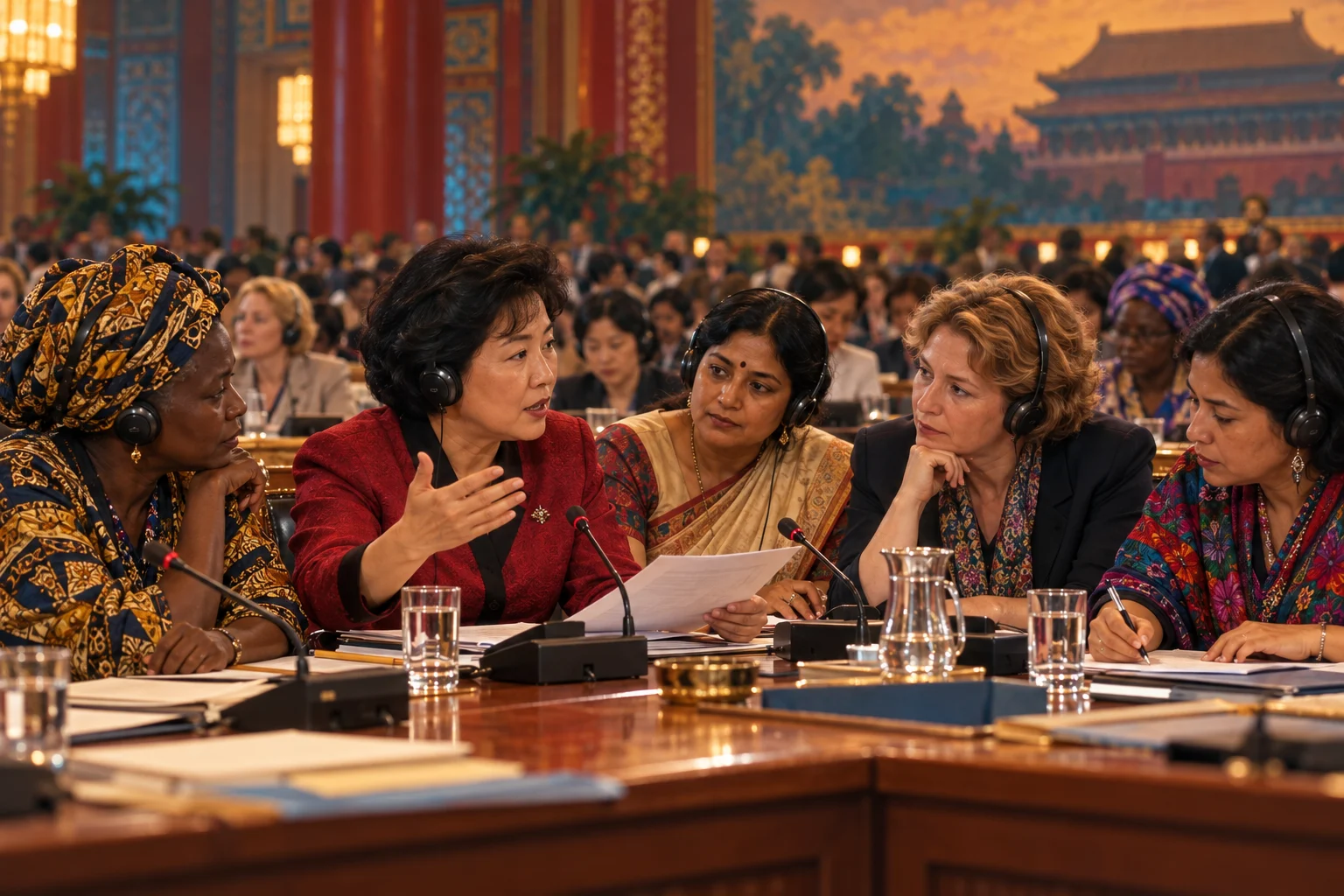
Beijing Declaration adopted on 15 September 1995
The Beijing agreement framed women's equality as a concern of public institutions, economic life and responsibilities within the family.
Step into the story ↗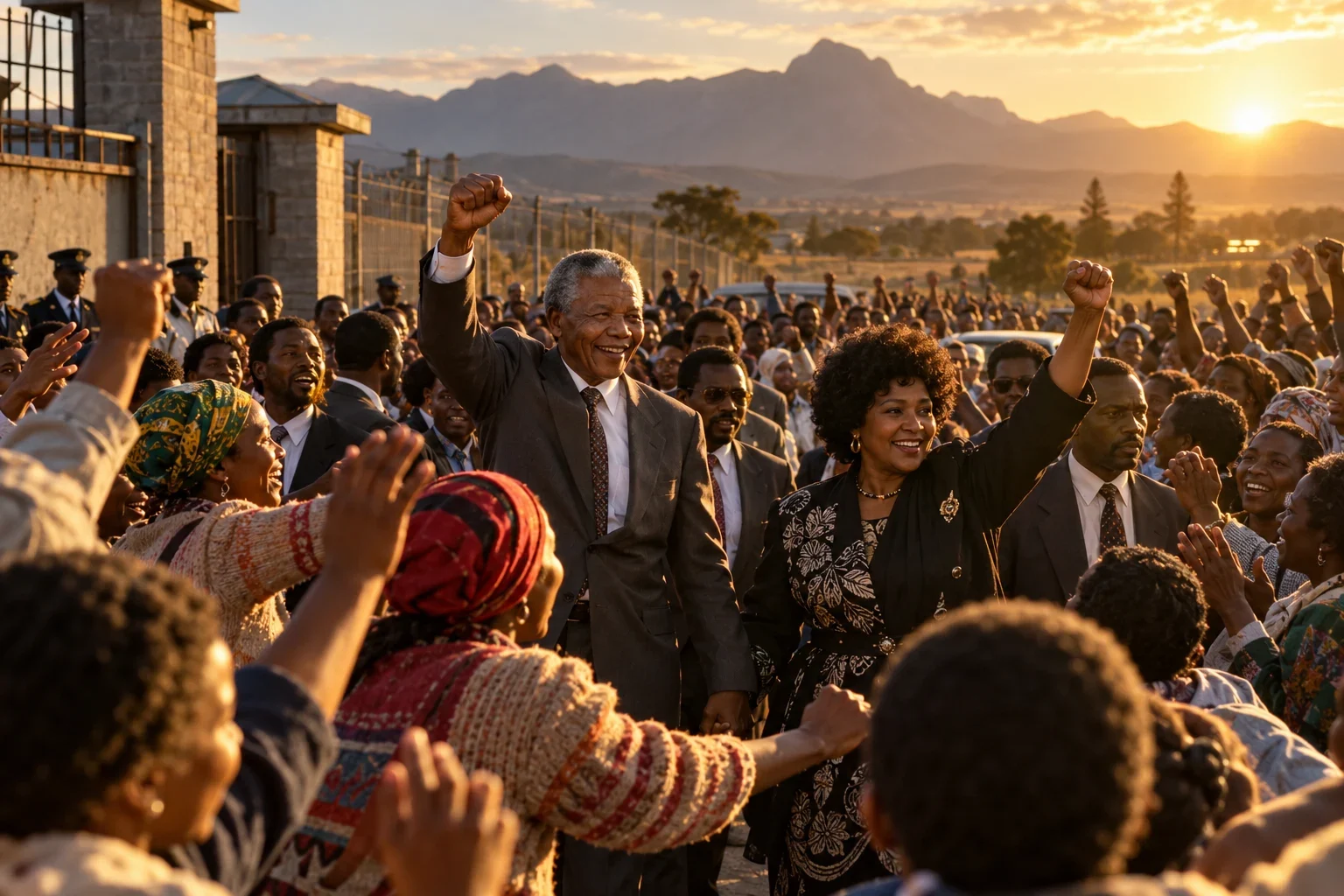 World events
Nelson Mandela leaves prison: February 11, 1990
Nelson Mandela left Victor Verster Prison on February 11, 1990, after approximately twenty-seven years in custody. His unconditional release became a defining moment in South Africa’s transition, but apartheid had not ended: negotiations and the struggle for democratic government still lay ahead.
Step into the story ↗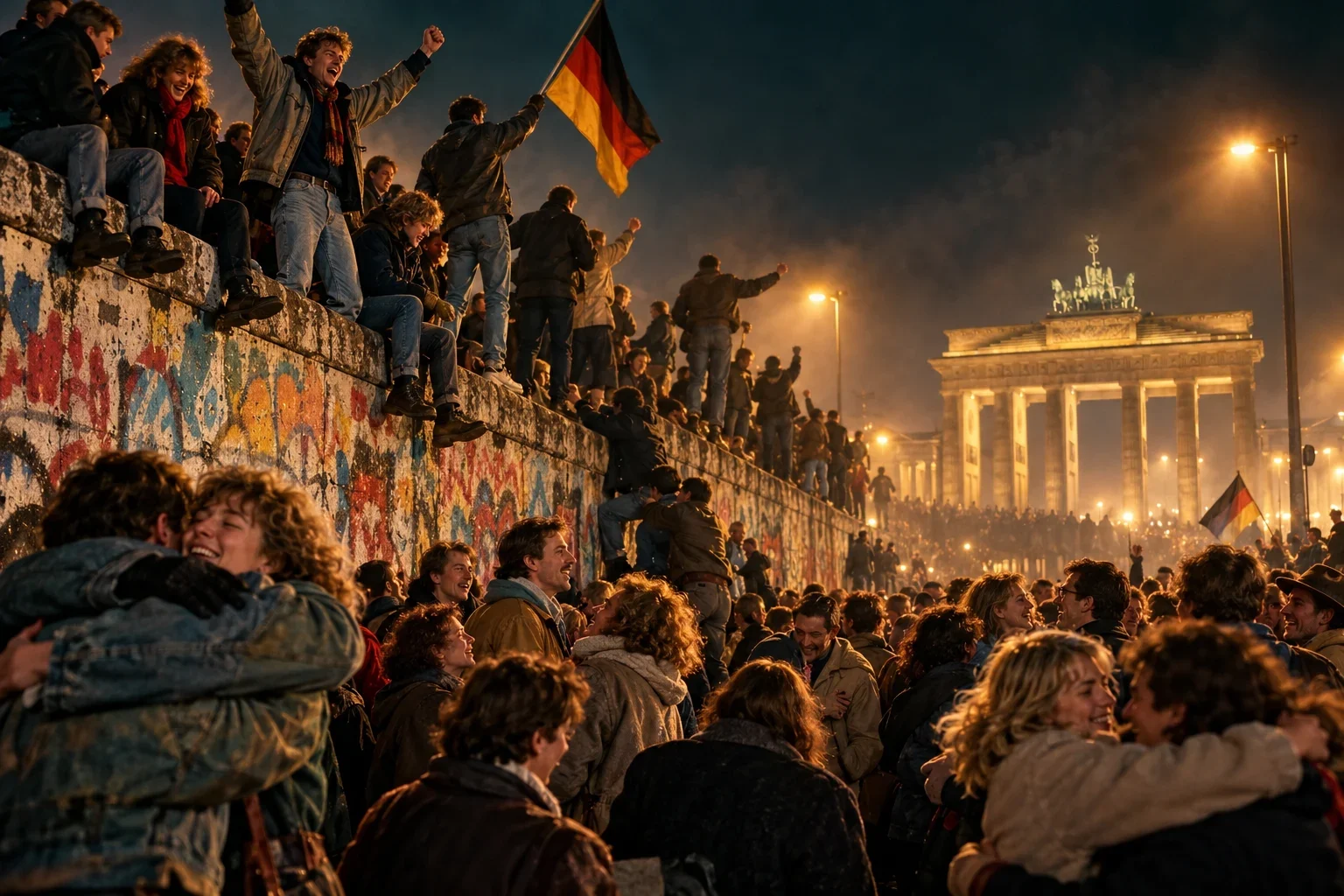 World events
The fall of the Berlin Wall: November 9, 1989
On November 9, 1989, an announcement about East German travel rules sent crowds to Berlin’s border crossings. Guards eventually opened the barriers. The night transformed movement through a divided city, while the physical dismantling of the Wall unfolded over subsequent months.
Step into the story ↗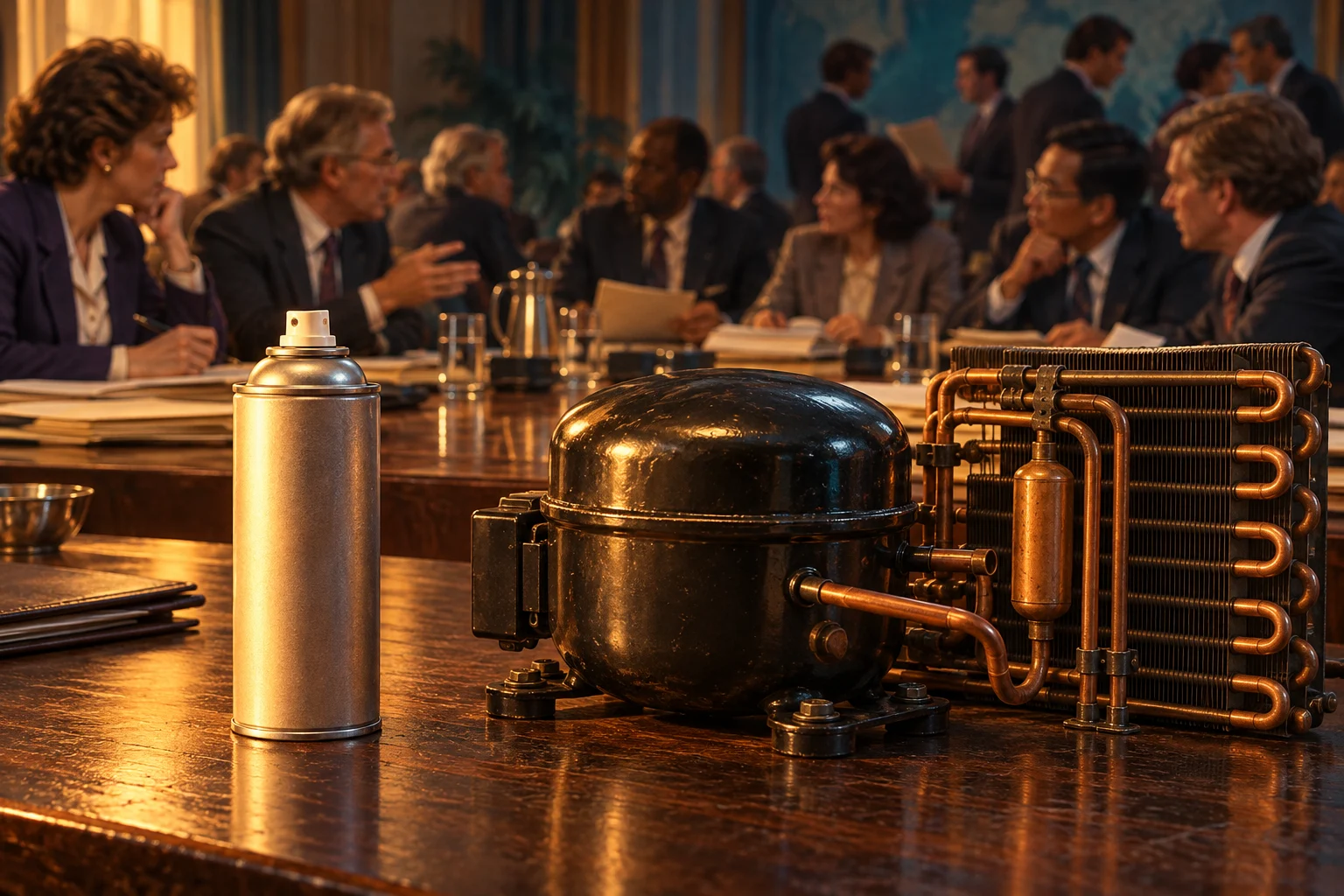 World events
The Montreal Protocol is adopted, 16 September 1987
The Montreal Protocol turned concern about ozone-depleting chemicals into an international system of controls. Its original provisions addressed CFCs and halons; later agreements strengthened and expanded the response.
Step into the story ↗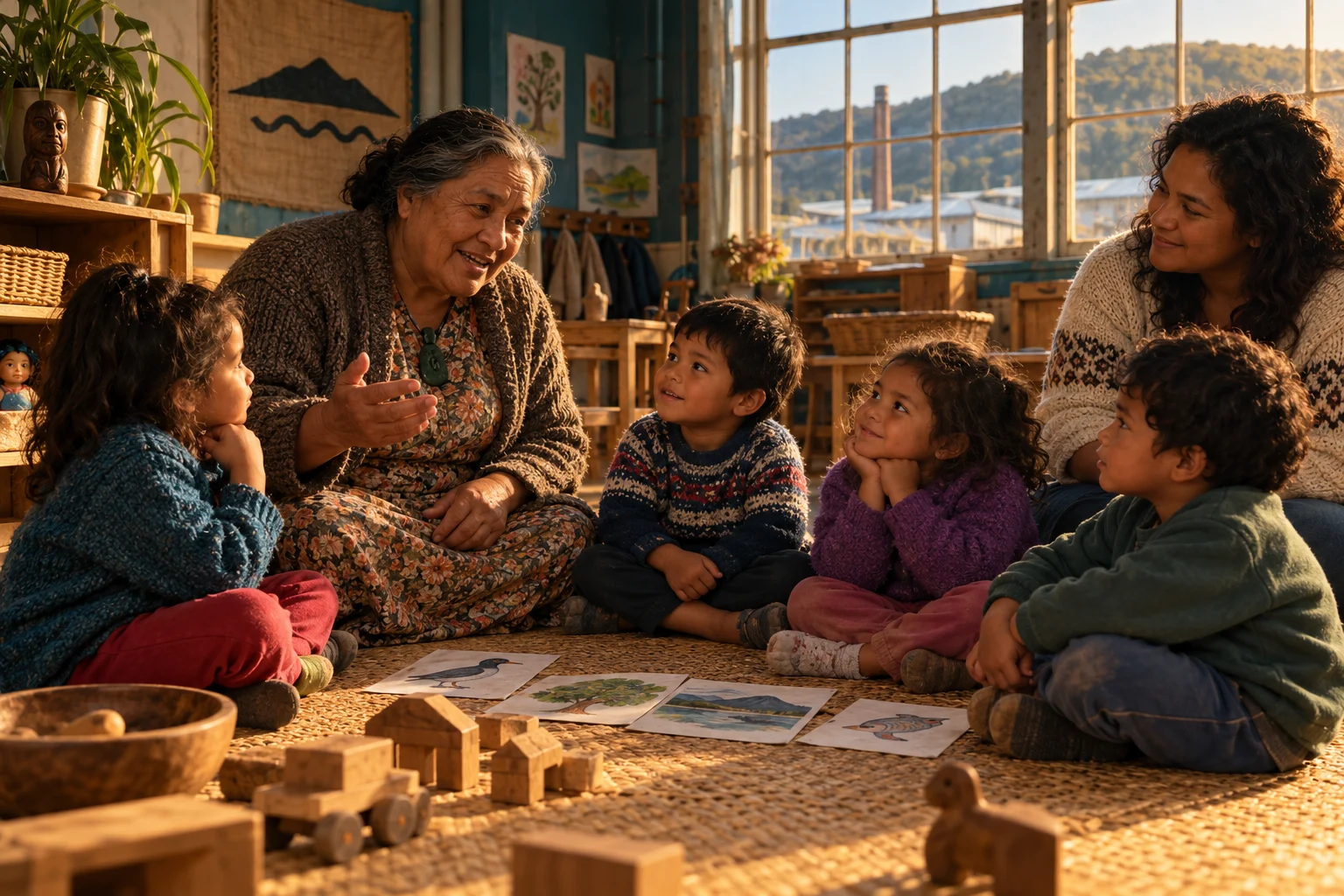 World events
Opening of Pukeatua, the first kōhanga reo
Pukeatua Kōhanga Reo opened in Wainuiomata on 13 April 1982. Its Māori-language immersion environment brought elders, children and families together in a community-led response to the decline of te reo Māori.
Step into the story ↗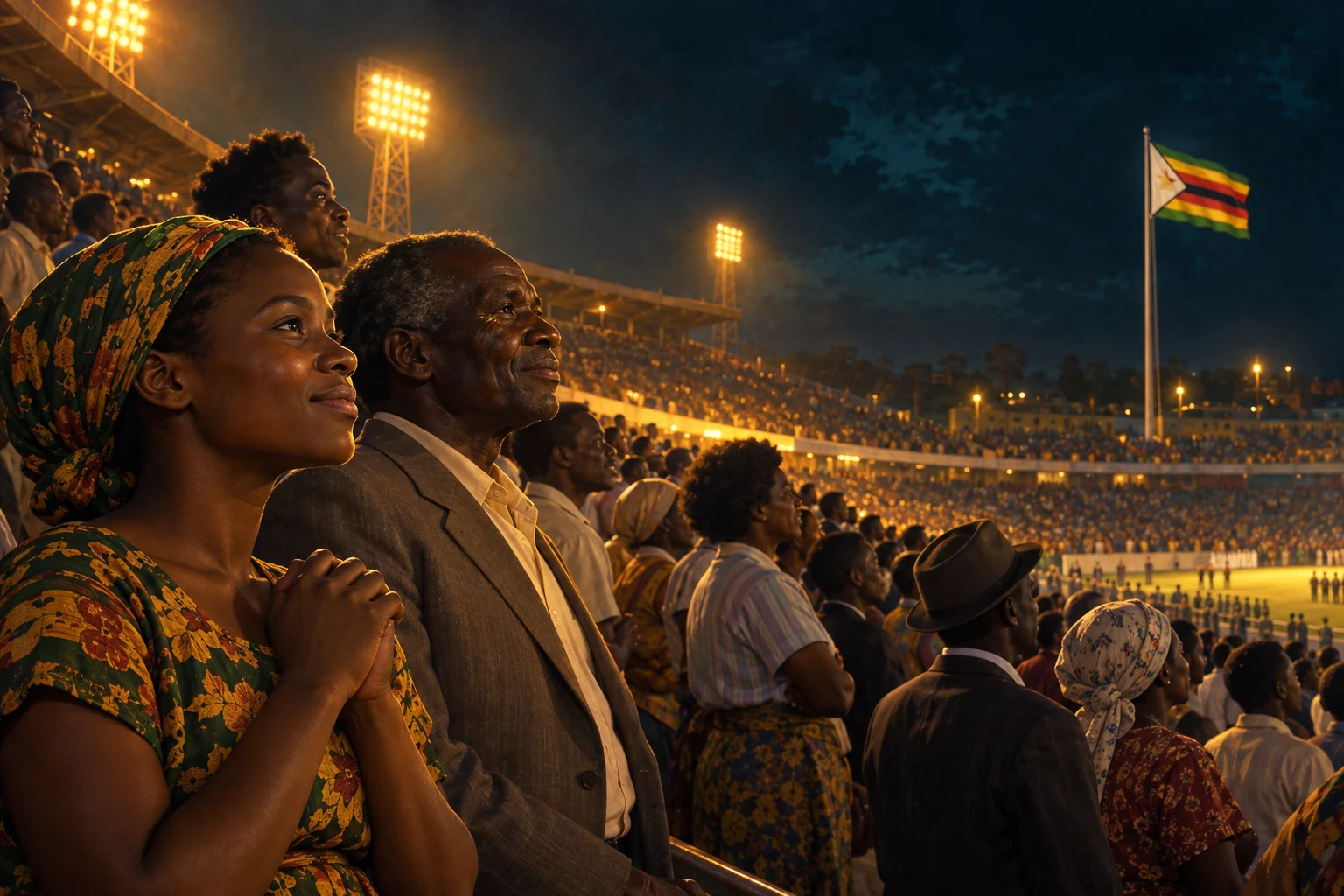 World events
Zimbabwe gains internationally recognized independence, 18 April 1980
Zimbabwe's independence followed negotiations, a ceasefire and elections. The new republic's international recognition distinguished it from the earlier unilateral declaration made by Rhodesia's white-minority government.
Step into the story ↗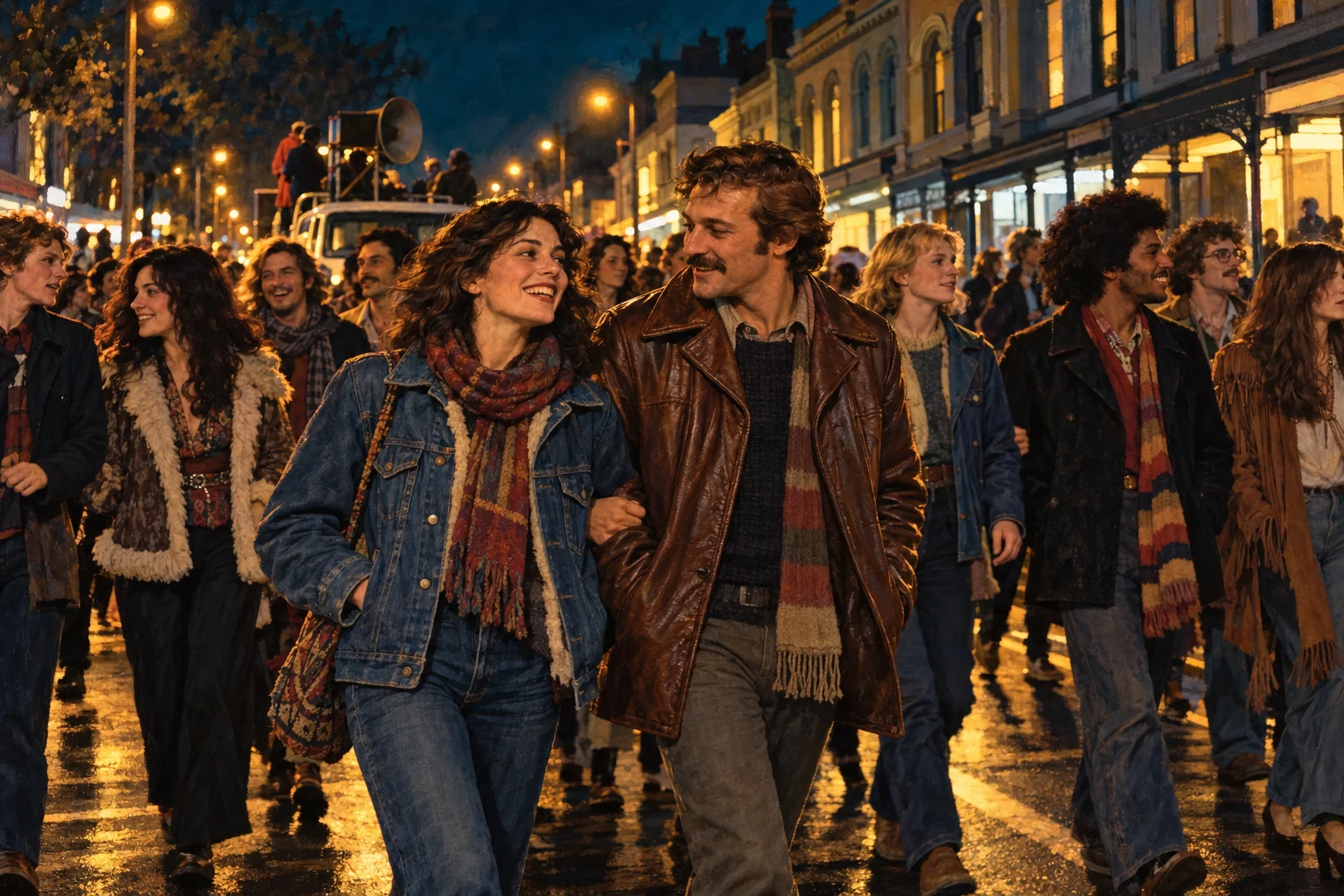 World events
Sydney’s first Mardi Gras parade and civil-rights campaign
Sydney’s first Mardi Gras took place on June 24, 1978. Its street celebration promoted gay and lesbian culture while challenging discrimination; the police response made the event a major moment in Australian civil-rights history.
Step into the story ↗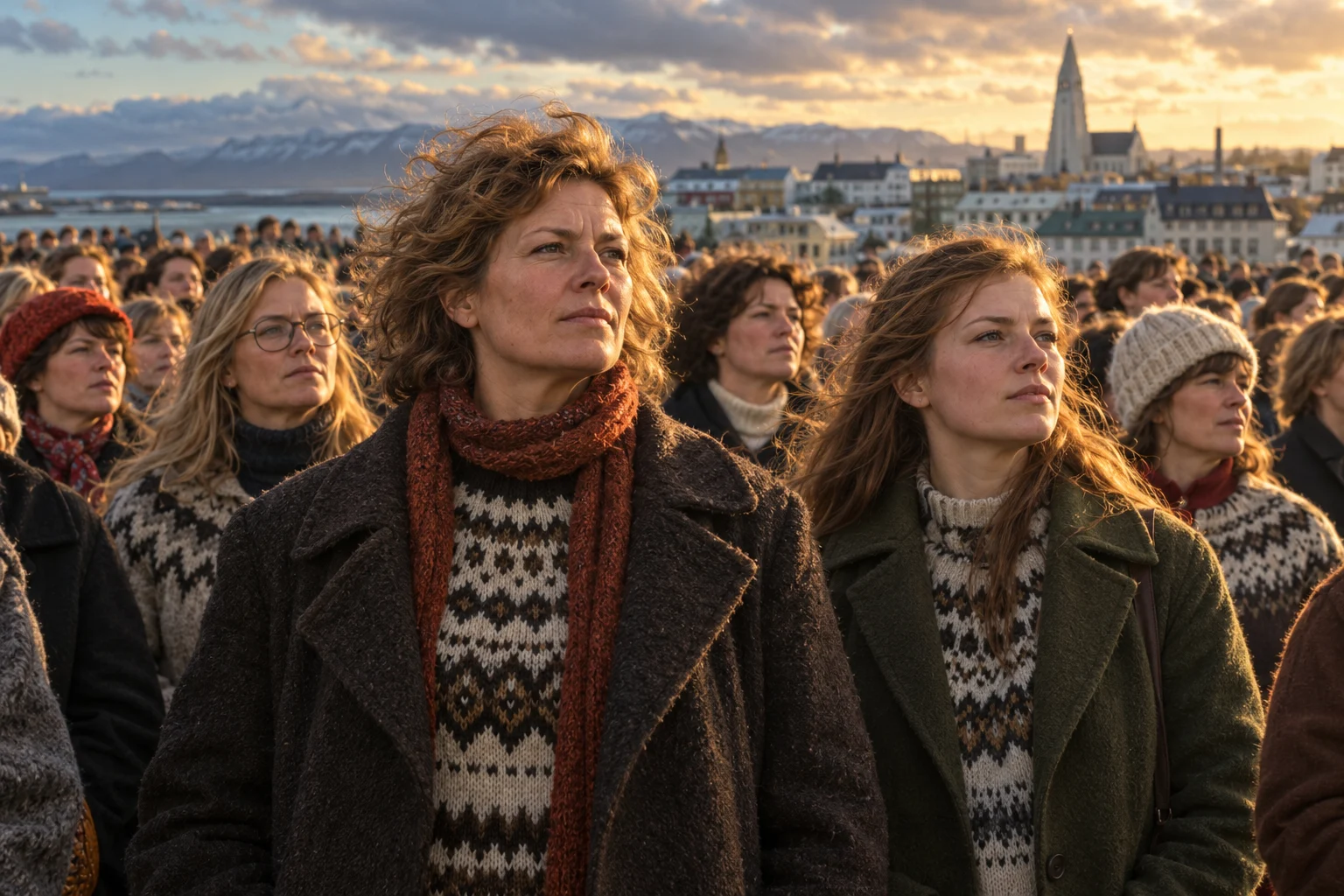 World events
Iceland’s Women’s Day Off on October 24, 1975
On October 24, 1975, Icelandic women withdrew both paid work and domestic labour. The Women’s Day Off made the country’s dependence on women’s contributions visible in workplaces, households and a major public rally.
Step into the story ↗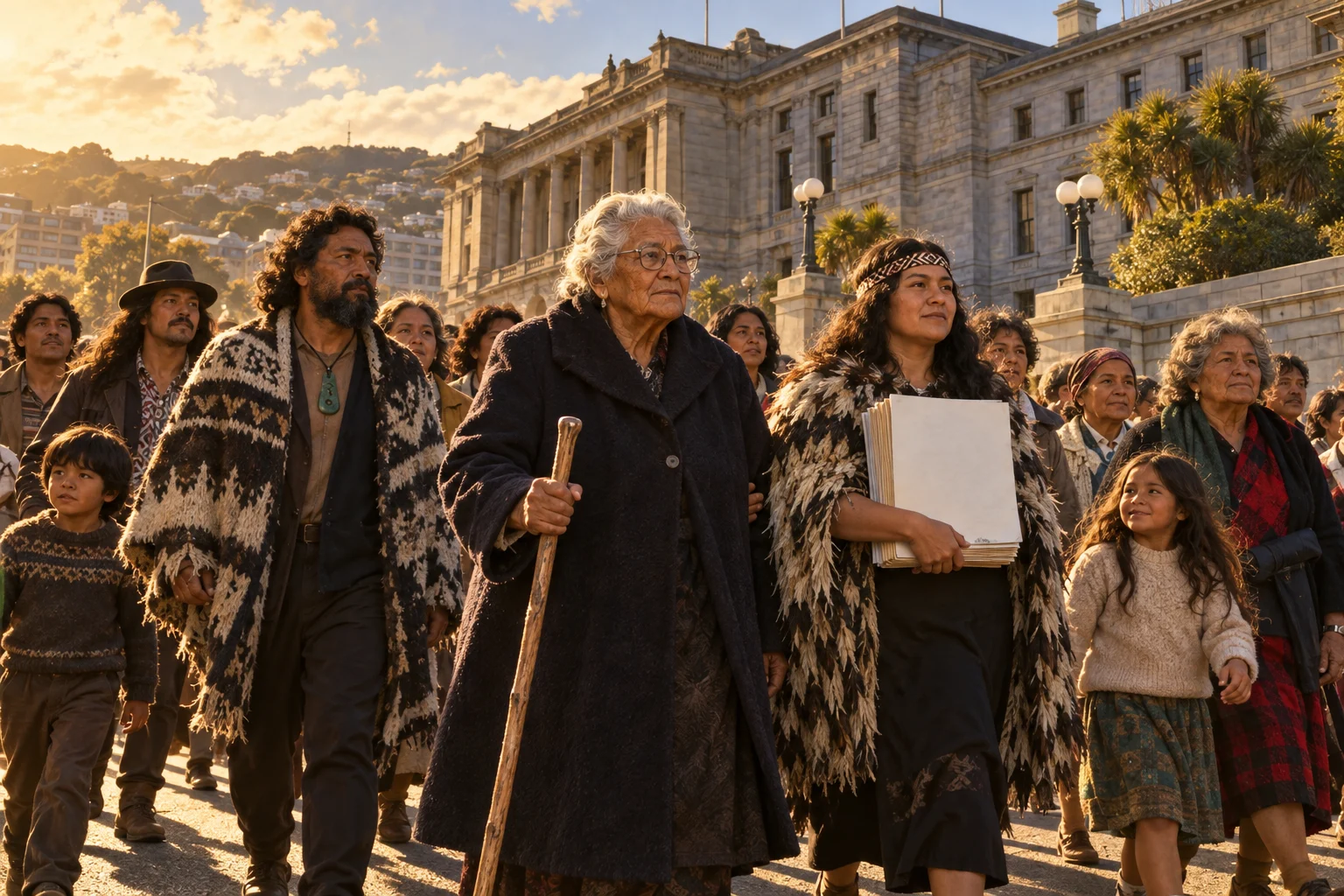 World events
Whina Cooper and the Māori Land March reach Parliament
On 13 October 1975, the Māori Land March reached New Zealand's Parliament in Wellington. Led by Whina Cooper, it brought a petition against continuing land loss and made a collective claim visible across the country.
Step into the story ↗ World events
Ling-Ling and Hsing-Hsing arrive in Washington in 1972
Ling-Ling and Hsing-Hsing arrived at Washington’s National Zoo on April 16, 1972, as gifts from China. Their celebrated arrival formed one half of a diplomatic animal exchange: the United States gave China two musk oxen.
Step into the story ↗ World events
Adoption of the Ramsar Convention on Wetlands
Adopted in Ramsar, Iran, on February 2, 1971, the wetlands convention connected habitat protection with international cooperation. Migrating waterbirds supplied a clear reason why conserving an ecosystem could not stop at a national border.
Step into the story ↗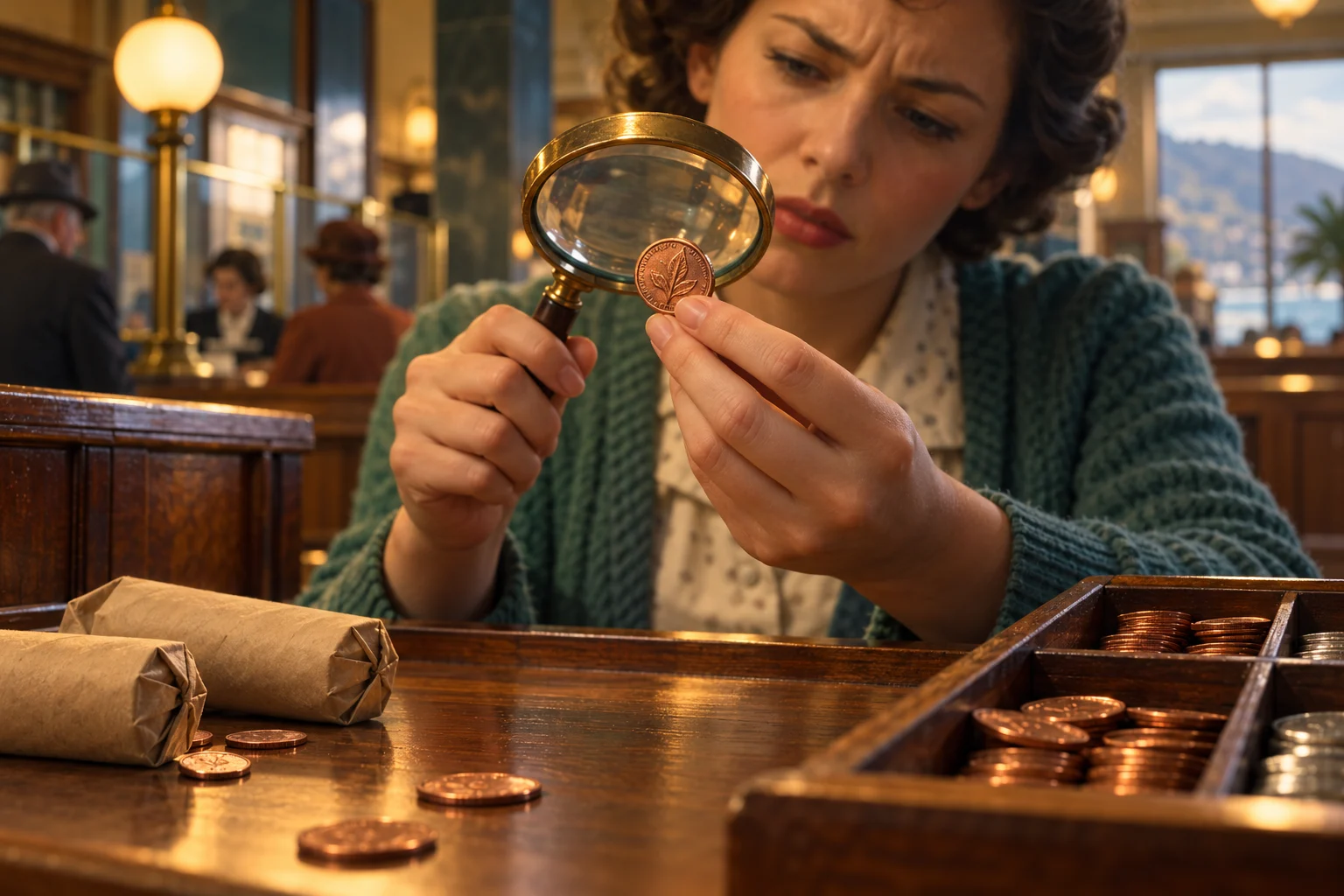 World events
New Zealand's decimal currency launch and the Bahamas mule coins
New Zealand introduced dollars and cents on 10 July 1967. Amid the nationwide changeover, some two-cent pieces appeared with a New Zealand design on one side and a Bahamian design on the other, creating a memorable minting error.
Step into the story ↗Come for the story.
Stay for the challenge.
See a moment. Hear its soundtrack. Follow the clues. The daily PreviousDays quiz is waiting — and so are your friends.
Play the quiz ↗