Sydney’s first Mardi Gras parade and civil-rights campaign
Sydney’s first Mardi Gras took place on June 24, 1978. Its street celebration promoted gay and lesbian culture while challenging discrimination; the police response made the event a major moment in Australian civil-rights history.
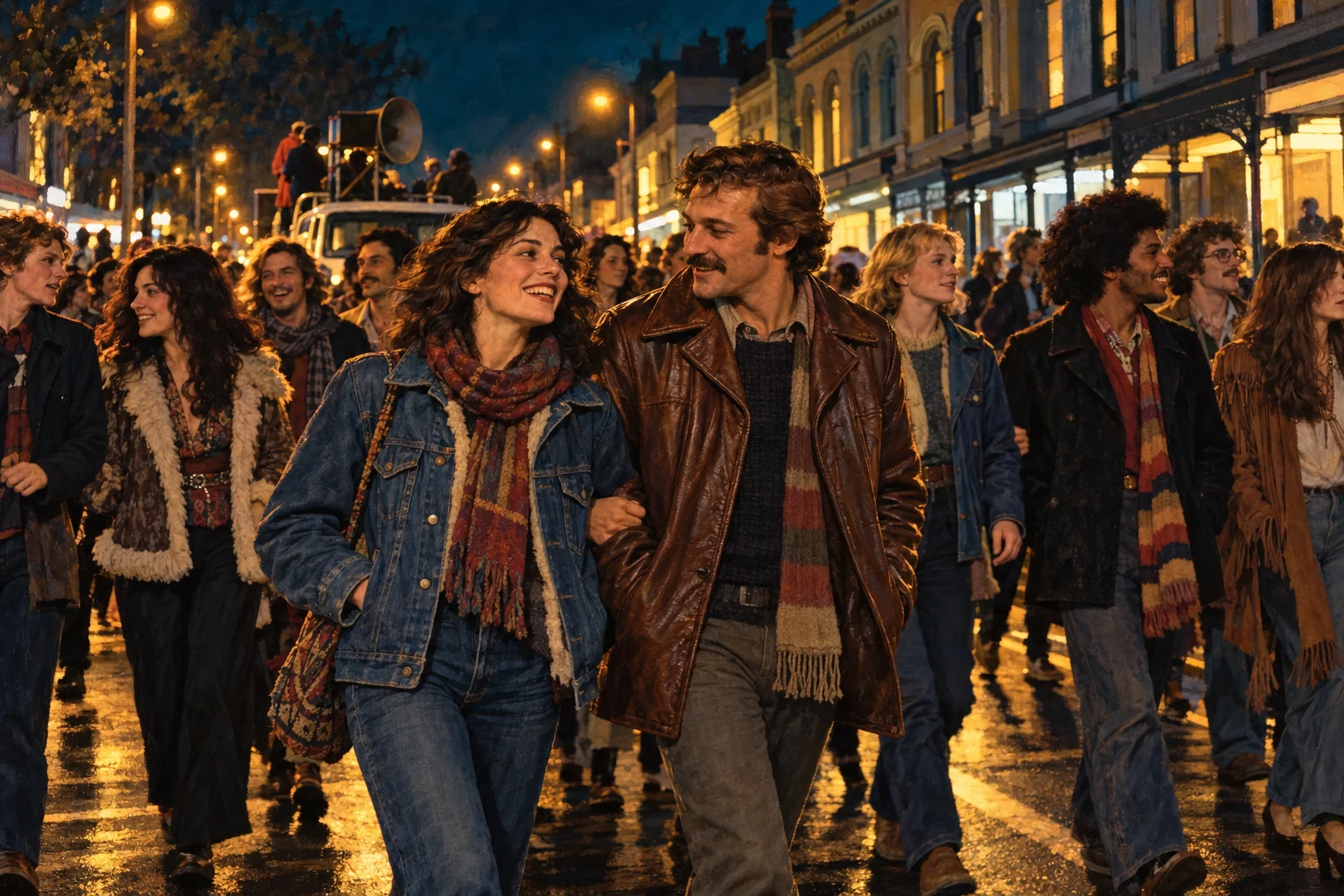
A day of public action
On June 24, 1978, Sydney’s Gay Solidarity Group organised a day of events that combined political activity with cultural celebration. A march and public meeting took place earlier in the day, followed by a street parade at night. The intention was to promote gay and lesbian culture and encourage action against discrimination. Celebration was part of the method: it invited people to become visible together in public space. National Museum of Australia account.
Why visibility carried risks
The first Mardi Gras occurred while male homosexual acts remained criminalised in New South Wales and gay and lesbian people faced substantial discrimination. The parade therefore carried a political meaning beyond entertainment. Its organisers also responded to international calls to commemorate the Stonewall protests in New York. Sydney’s event connected local conditions with a wider movement, while taking a form that could draw people into the street. Australian Government heritage history.
Police violence and its consequences
The night ended with police violence and the arrest of 53 people. Publication of personal details of those arrested exposed participants to further discrimination. A campaign to drop the charges led to more demonstrations and widened public attention. These consequences are central to the event’s history and should not be obscured by images of later, much larger celebrations. The National Film and Sound Archive preserves documentary material about the original events. NFSA account.
Remembering the first march
The parade developed into an annual event, while participants from the founding period became known as the 78ers. Its history links cultural expression, public assembly and demands for equal treatment. Remembering the origin explains why a celebratory event can also preserve the memory of protest and state violence. National Museum of Australia. The painted image imagines the earlier peaceful procession; it does not reproduce an archival photograph or portray the later confrontations. No individual shown is identified as an actual marcher. The event’s political origins remain essential to understanding its later cultural importance.
Cake - I Will Survive (Cover)
Fab Guerra
Fab Guerra’s later cover follows Cake’s treatment of I Will Survive, a song first released in 1978. It connects to the year and the parade’s later dance-culture setting, not to a documented performance at the original march.
Listen on SoundCloud ↗Follow the evidence.
- National Museum of Australia: From the vault — Mardi Gras ↗
- Australian Government: Mardi Gras parade route history ↗
- National Film and Sound Archive: The first Sydney Mardi Gras ↗
AI-assisted writing, with institutional and primary sources. Illustration is a reconstruction, not an archival photograph. Published October 31, 2026; updated October 31, 2026. Our approach