1500–1799
New horizons. Changing worlds.
History doesn’t stand still.
Meet the moments.
 Flight & Human Ingenuity
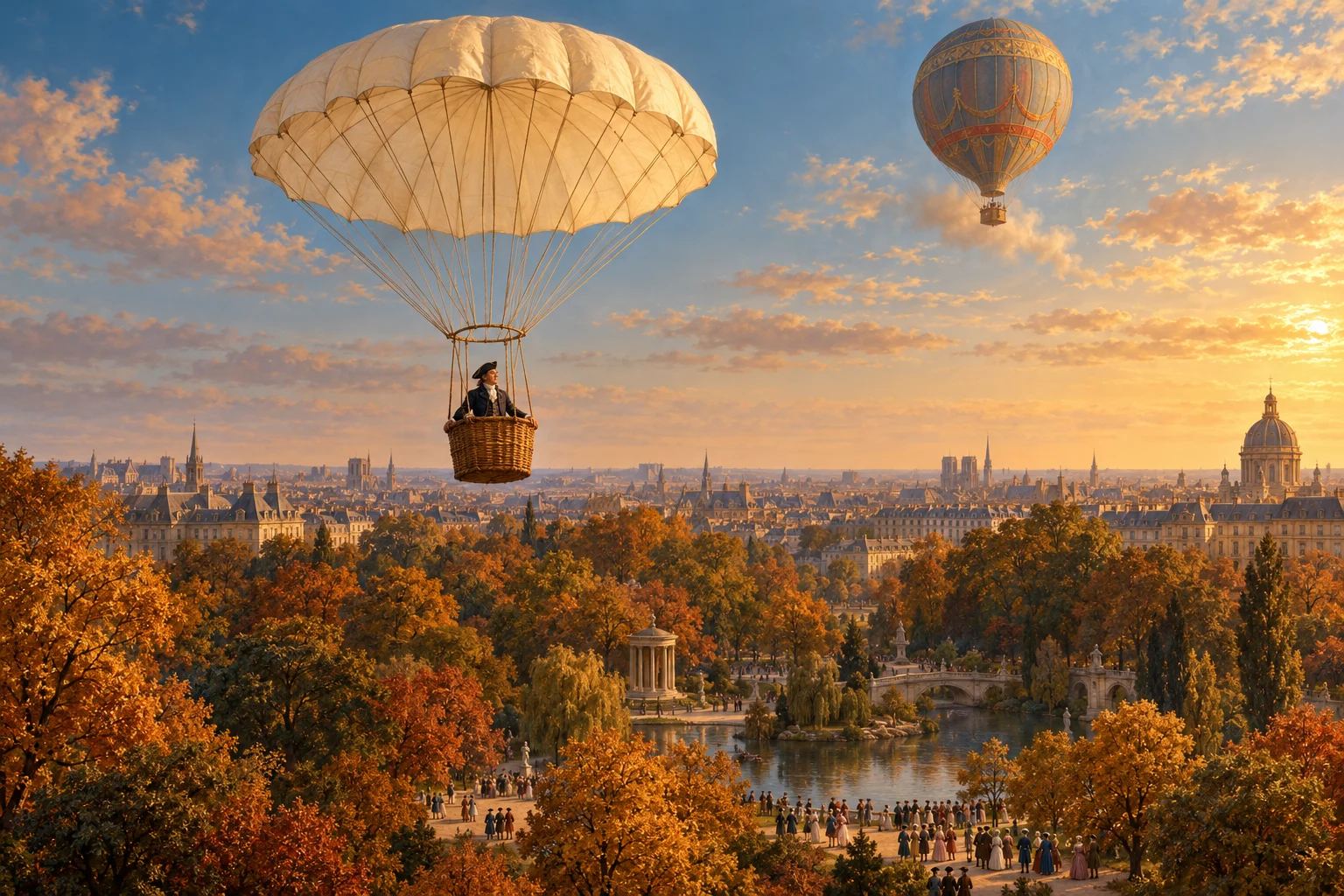
André-Jacques Garnerin’s parachute descent over Paris
On 22 October 1797, Garnerin descended beneath a silk parachute over Paris. An eyewitness described him riding back to the park on horseback.
Step into the story ↗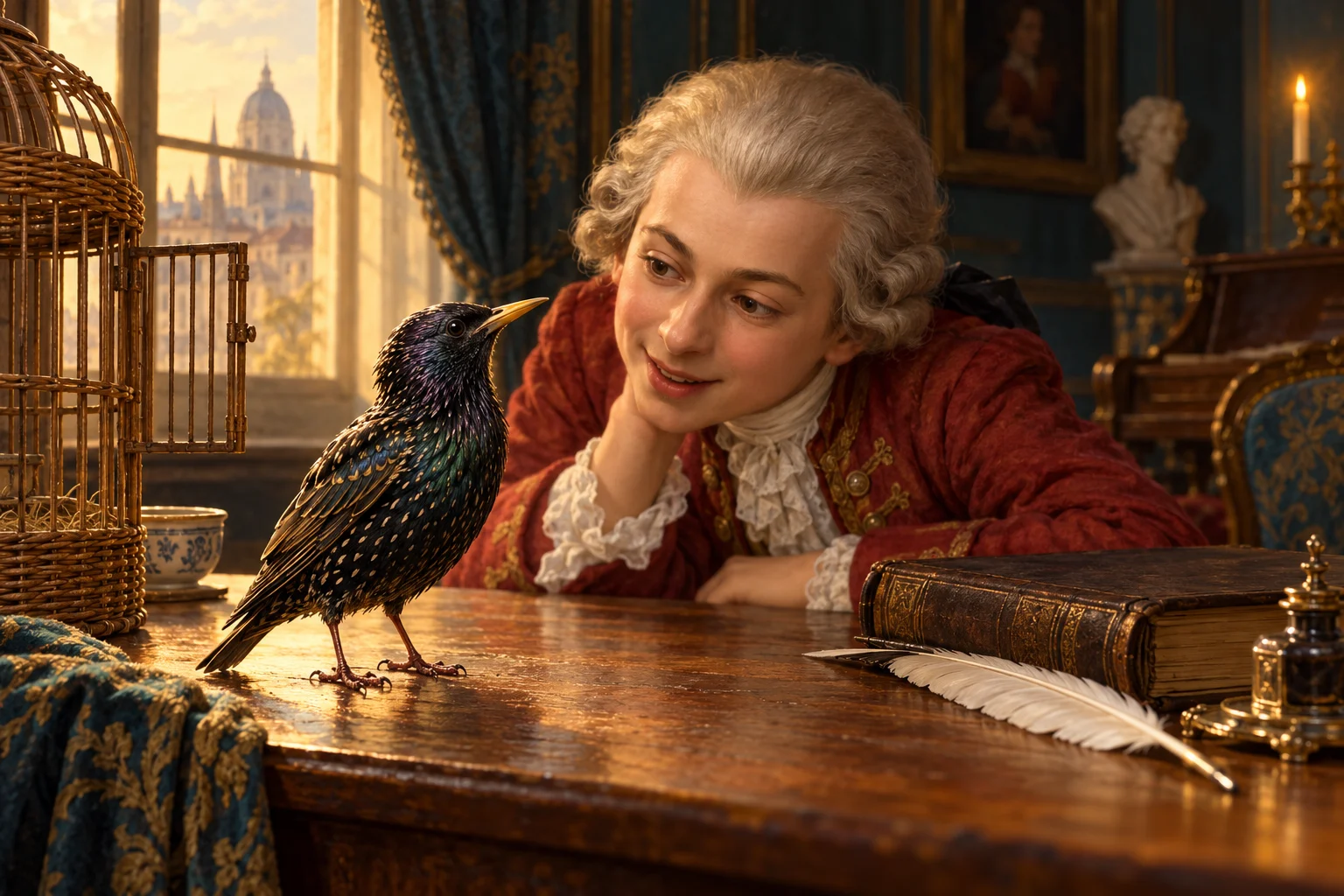 Music & Animal Life
Mozart buys a starling and records its song
On 27 May 1784, Mozart entered a starling in his household accounts and notated a tune resembling his recent G-major piano concerto. The entry connects an ordinary pet purchase with a remarkable example of musical mimicry.
Step into the story ↗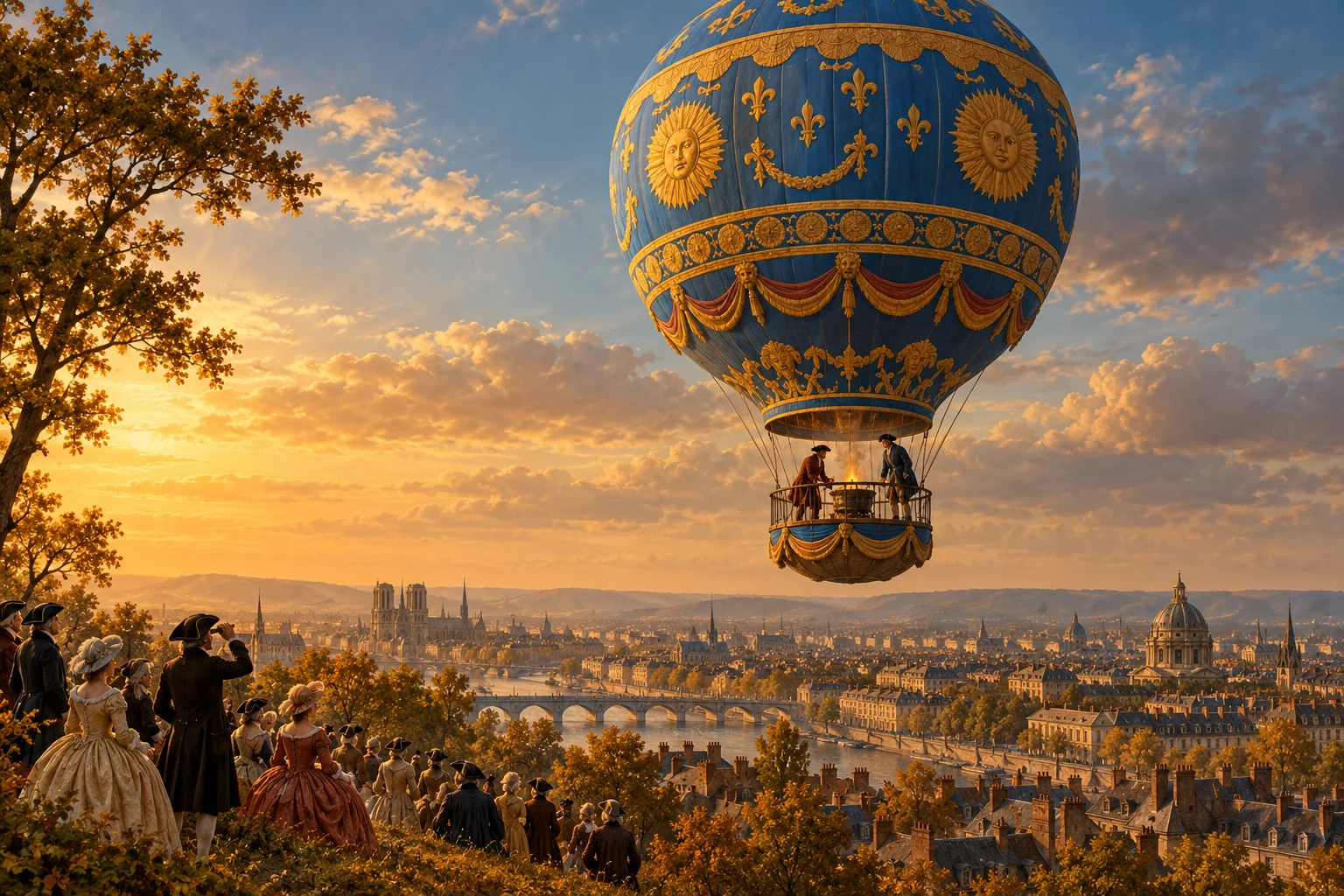 Invention & Flight
The first untethered human balloon flight over Paris, 1783
On 21 November 1783, Jean-François Pilâtre de Rozier and François Laurent, Marquis d’Arlandes, traveled above Paris in a Montgolfier hot-air balloon. The flight demonstrated that people could remain aloft and land safely without a tether connecting their craft to the ground.
Step into the story ↗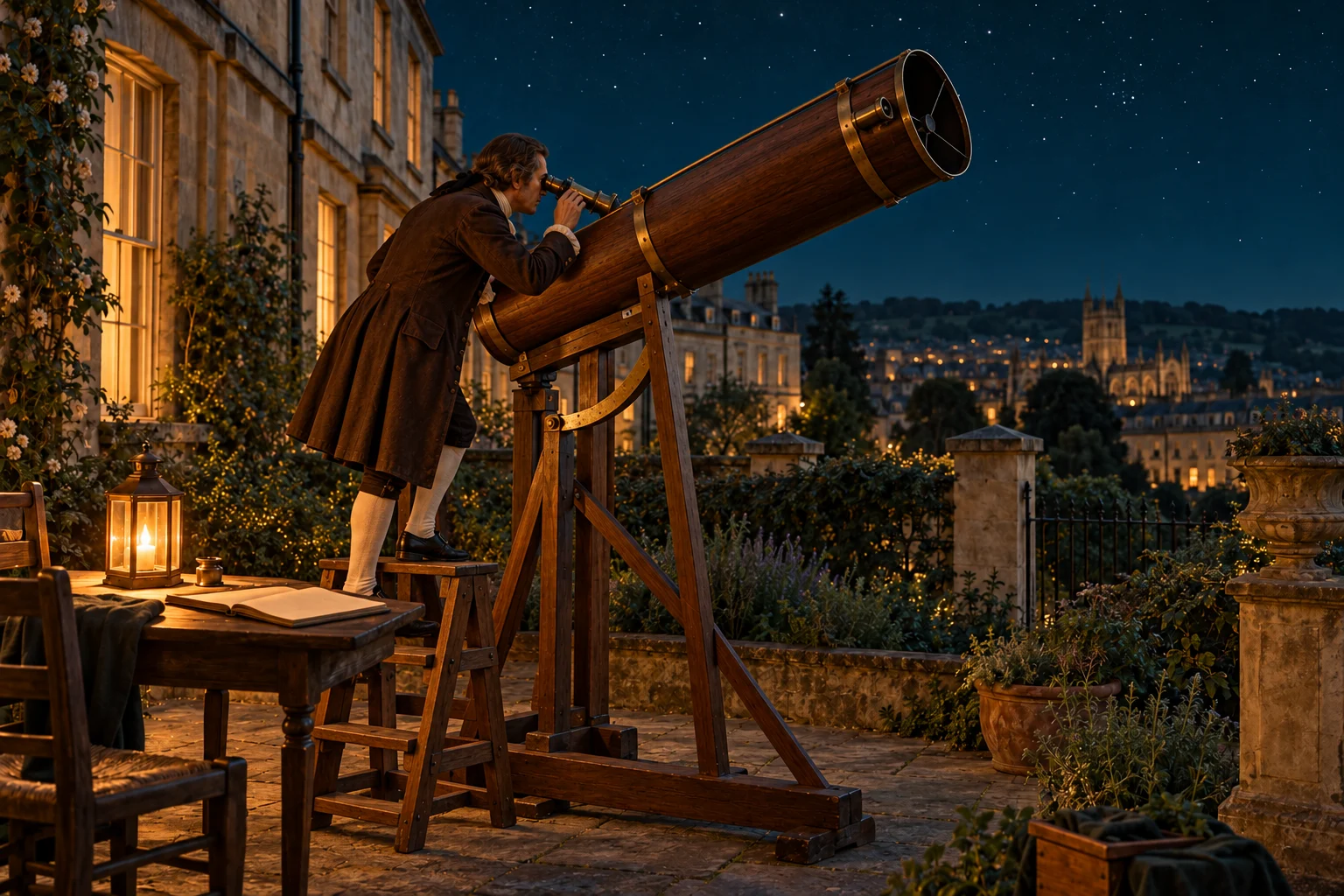 Astronomy & Discovery
William Herschel’s observation of Uranus on 13 March 1781
On 13 March 1781, William Herschel noticed an object that looked different from nearby stars. Its eventual identification as Uranus extended the known planetary system beyond Saturn and showed how observation and interpretation can unfold at different times.
Step into the story ↗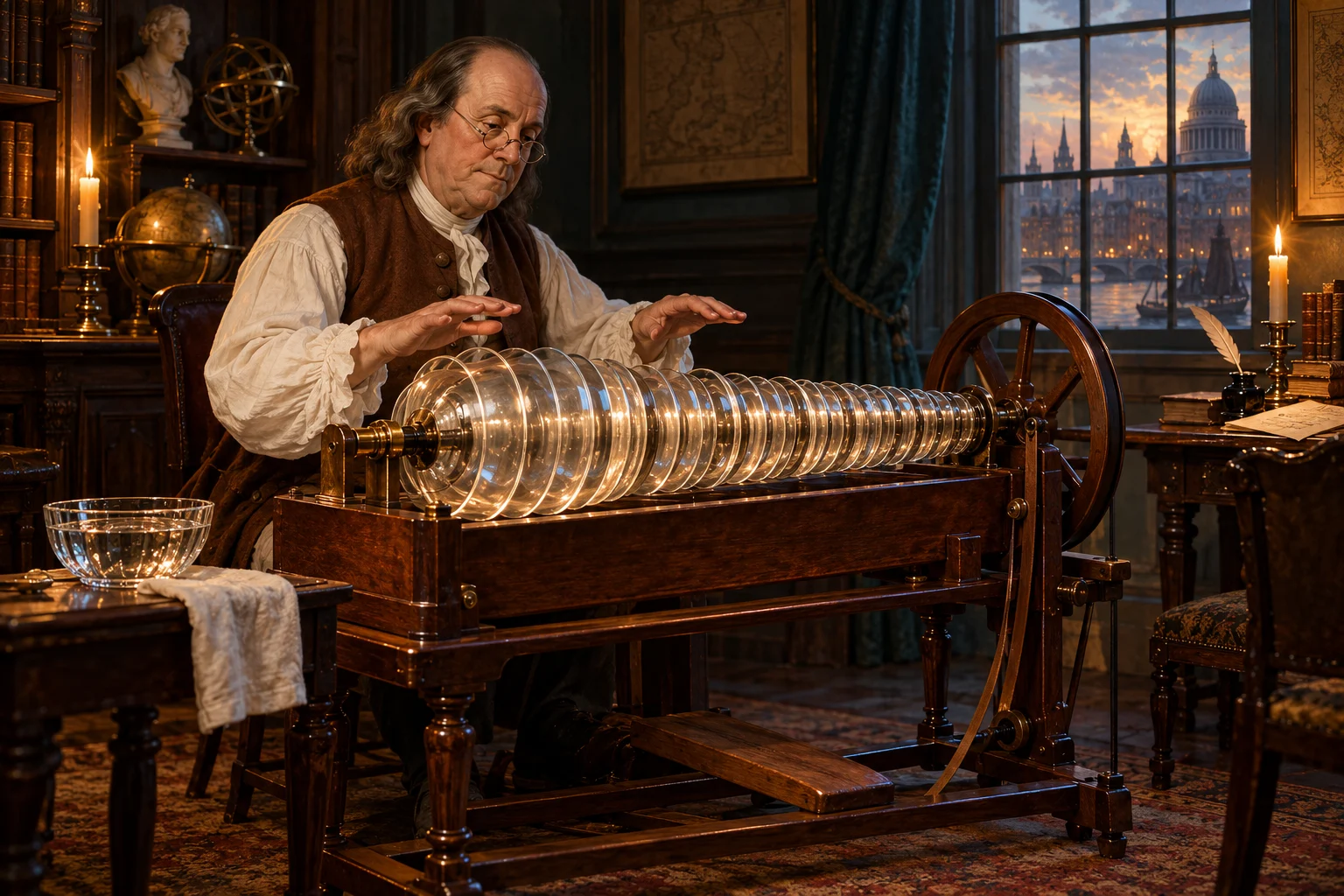 Invention & Musical Instruments
Franklin describes his glass armonica to Beccaria
In a letter dated 13 July 1762, Benjamin Franklin explained a musical invention built around rotating glass bowls. His armonica reorganized an existing way of making glass sing into a compact instrument that could sustain several notes.
Step into the story ↗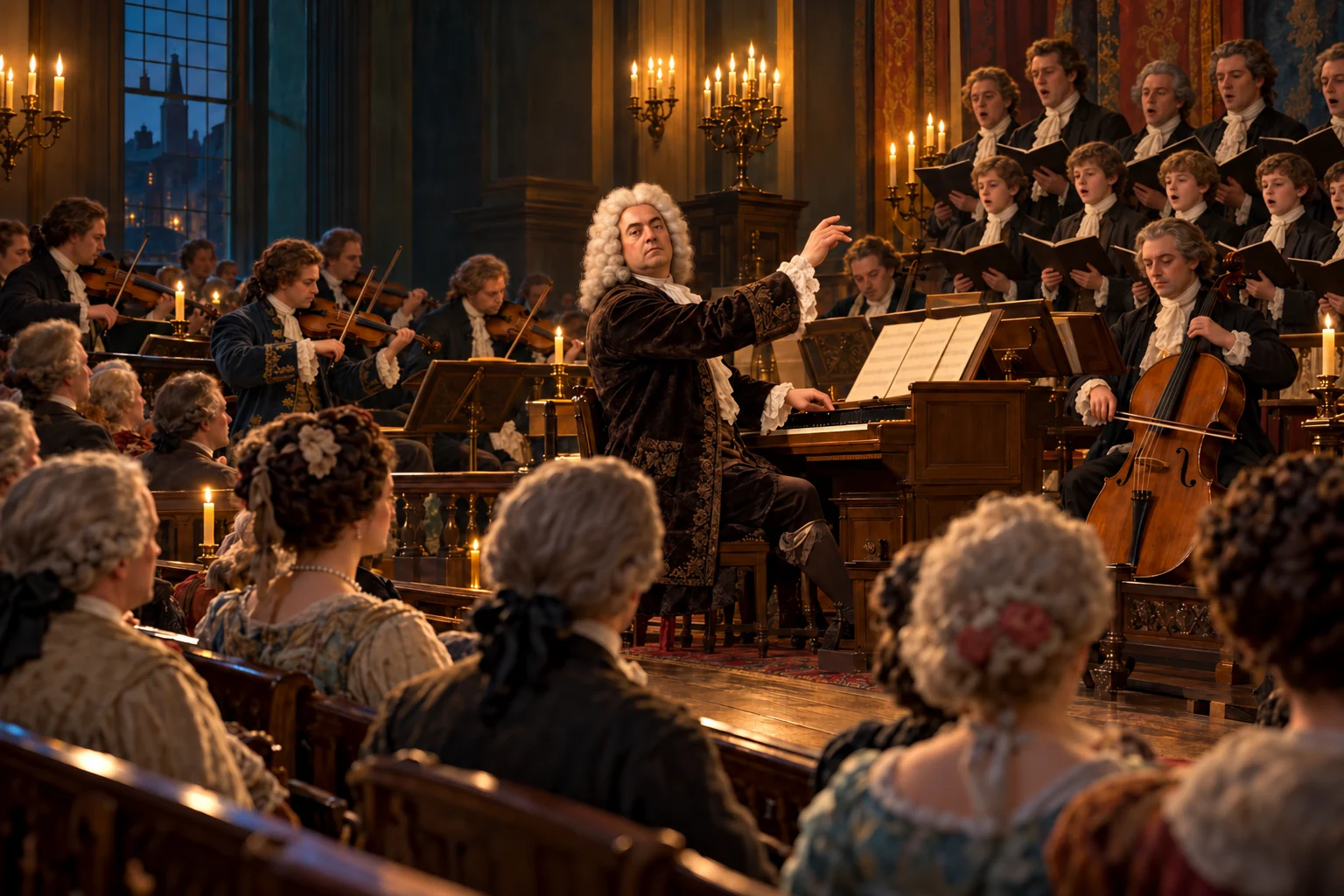 Music & Civic Life
Handel’s Messiah premieres at a Dublin charity concert
Messiah received its first public performance in Dublin on 13 April 1742. The premiere joined ambitious music with a practical civic purpose: raising funds for medical charities and the relief of imprisoned debtors.
Step into the story ↗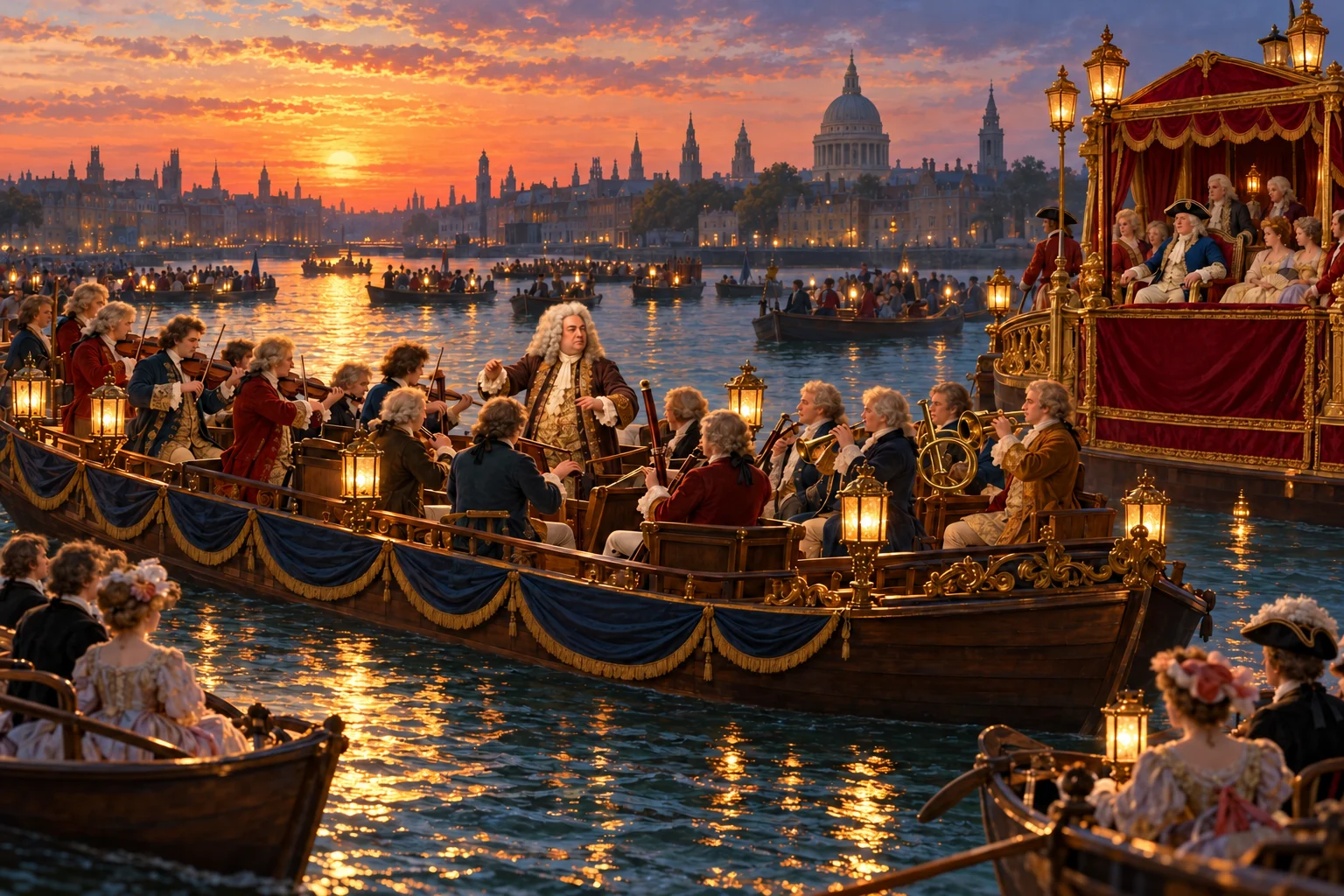 Music & Public Spectacle
Handel's Water Music and the royal Thames concert of 1717
On 17 July 1717, Handel's music accompanied George I's evening journey on the Thames. Contemporary accounts describe about fifty musicians, crowds of boats and a king pleased enough to request repeated performances.
Step into the story ↗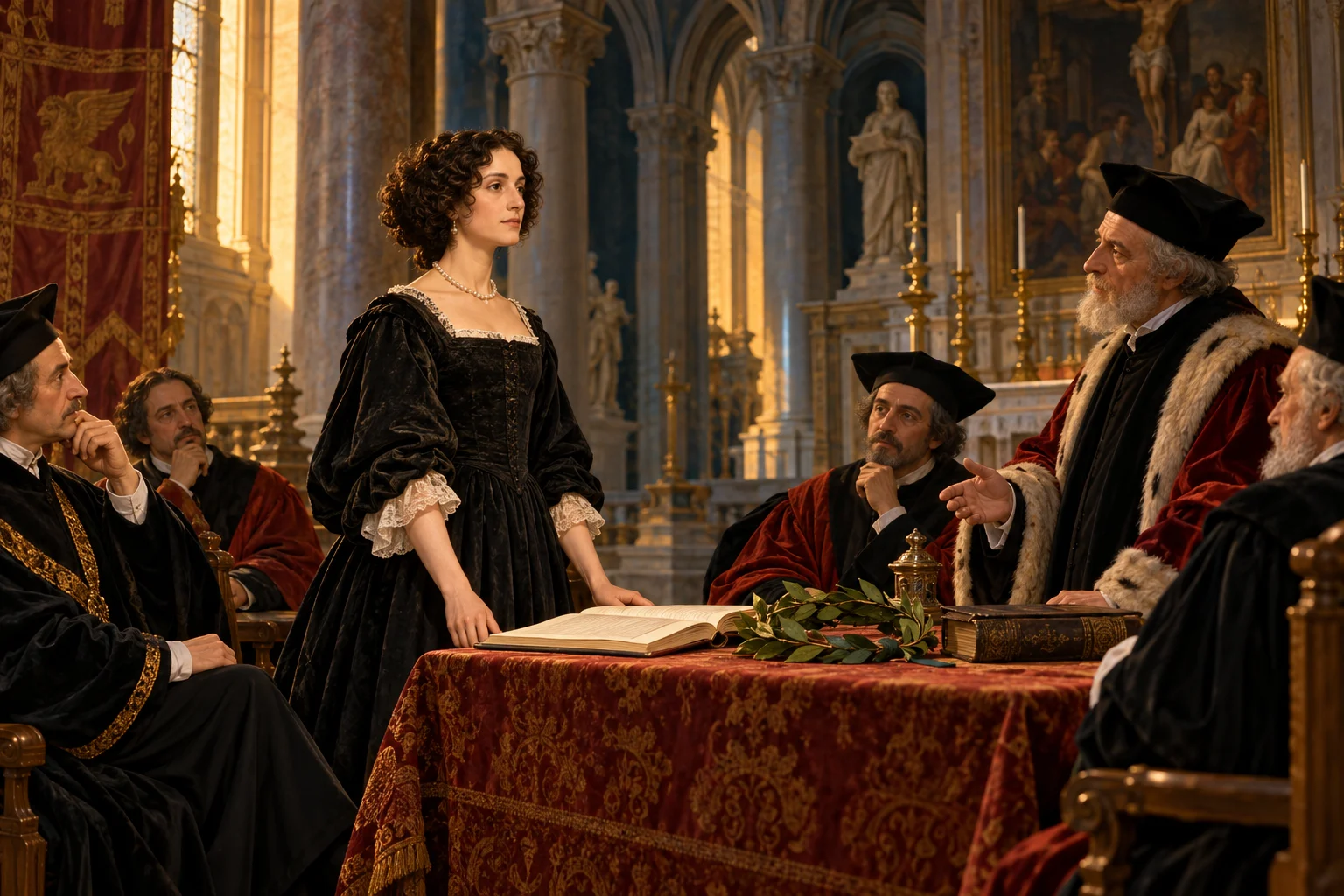 Education & Women’s History
Elena Cornaro Piscopia’s Philosophy Doctorate at Padua
Elena Cornaro Piscopia received her philosophy doctorate on 25 June 1678. Her achievement exposed both the possibilities of women’s scholarship and the institutional barriers that remained in place.
Step into the story ↗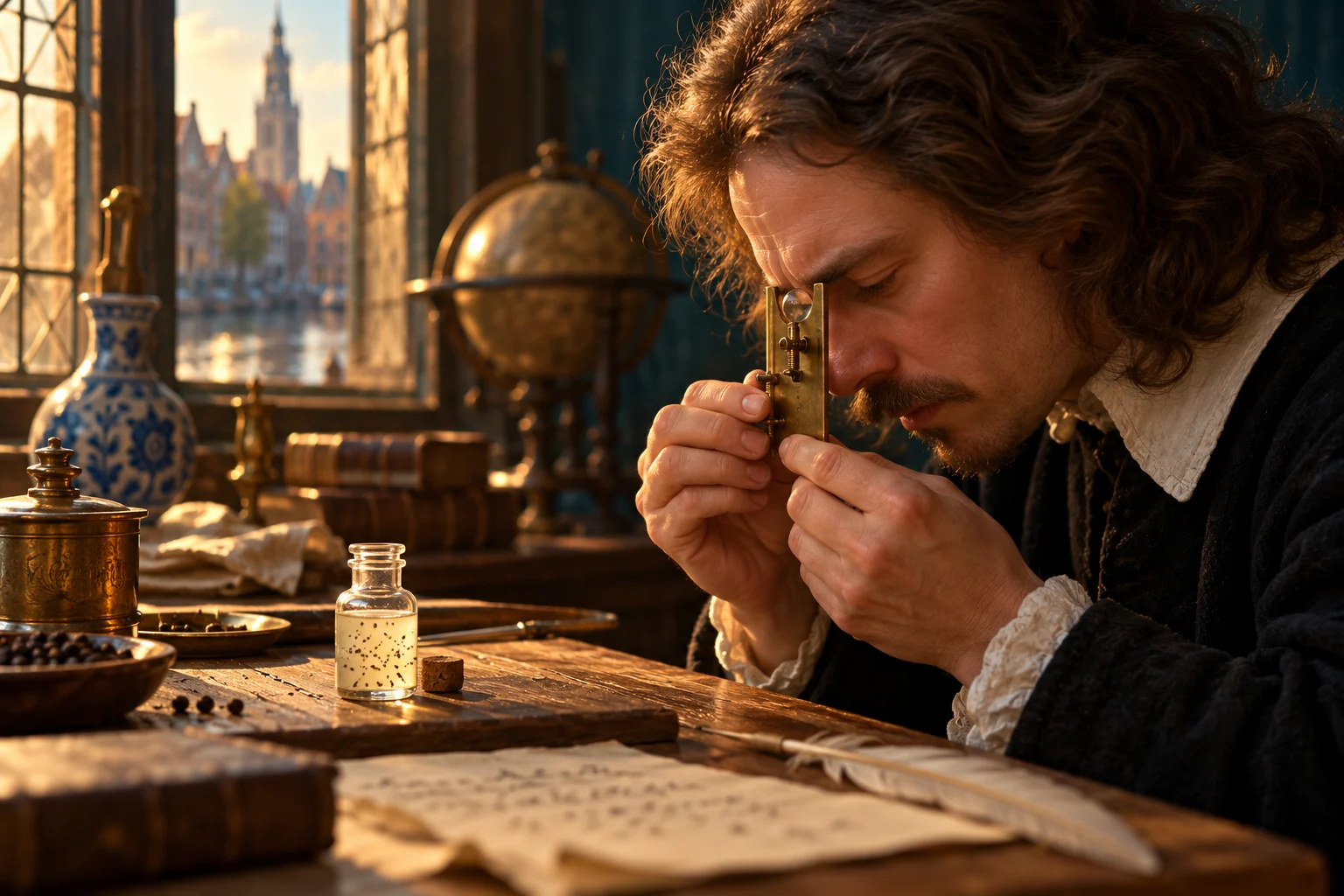 Discovery & Microscopy
Leeuwenhoek’s 1676 letter on microscopic life in water
On 9 October 1676, Antoni van Leeuwenhoek dated a detailed letter describing living organisms in water and spice infusions, bringing an unseen world into scientific correspondence.
Step into the story ↗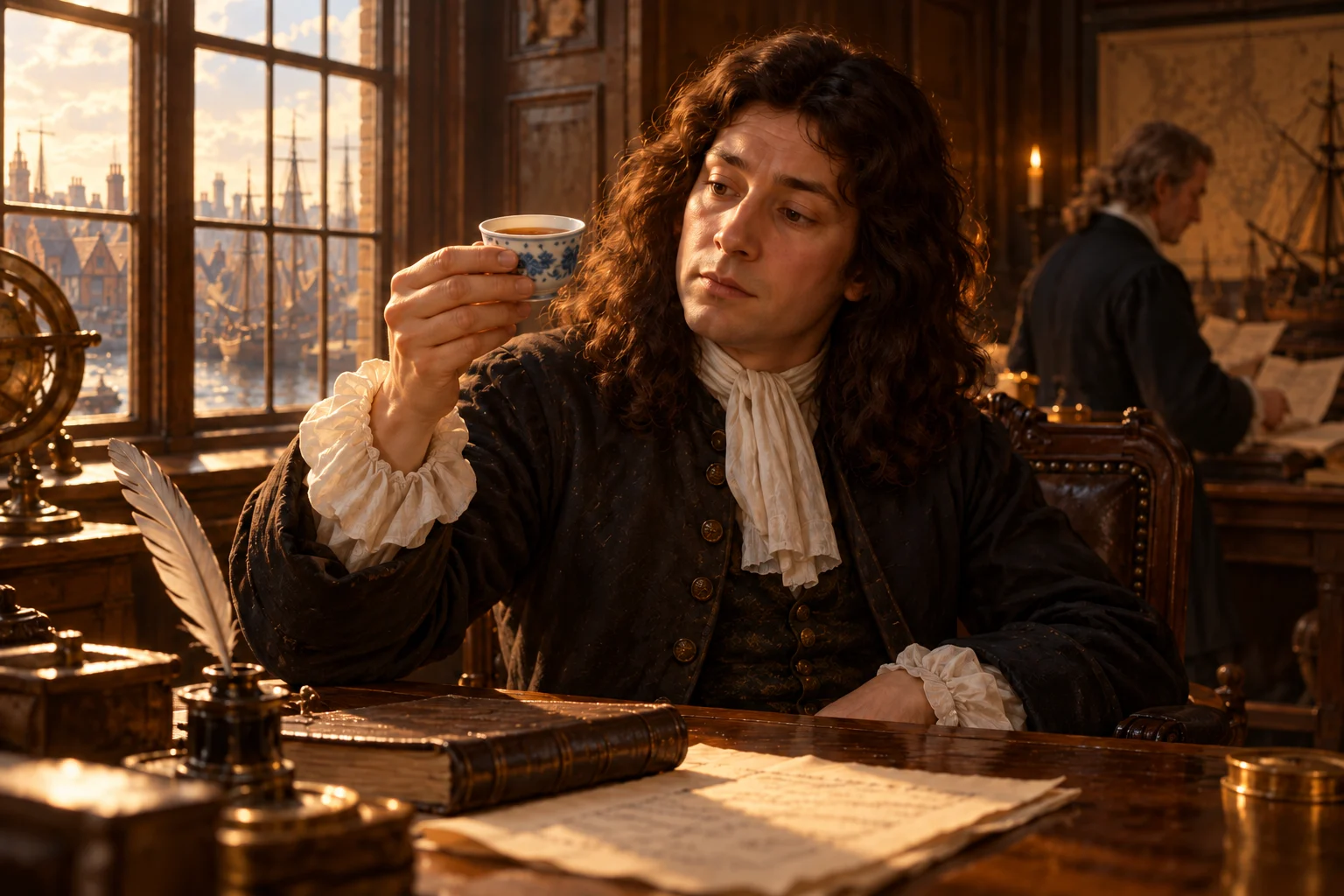 Food & Everyday Life
Samuel Pepys records his first cup of tea
On 25 September 1660, Samuel Pepys recorded trying tea for the first time. His brief office-day entry captures a familiar modern British drink while it was still an unfamiliar import.
Step into the story ↗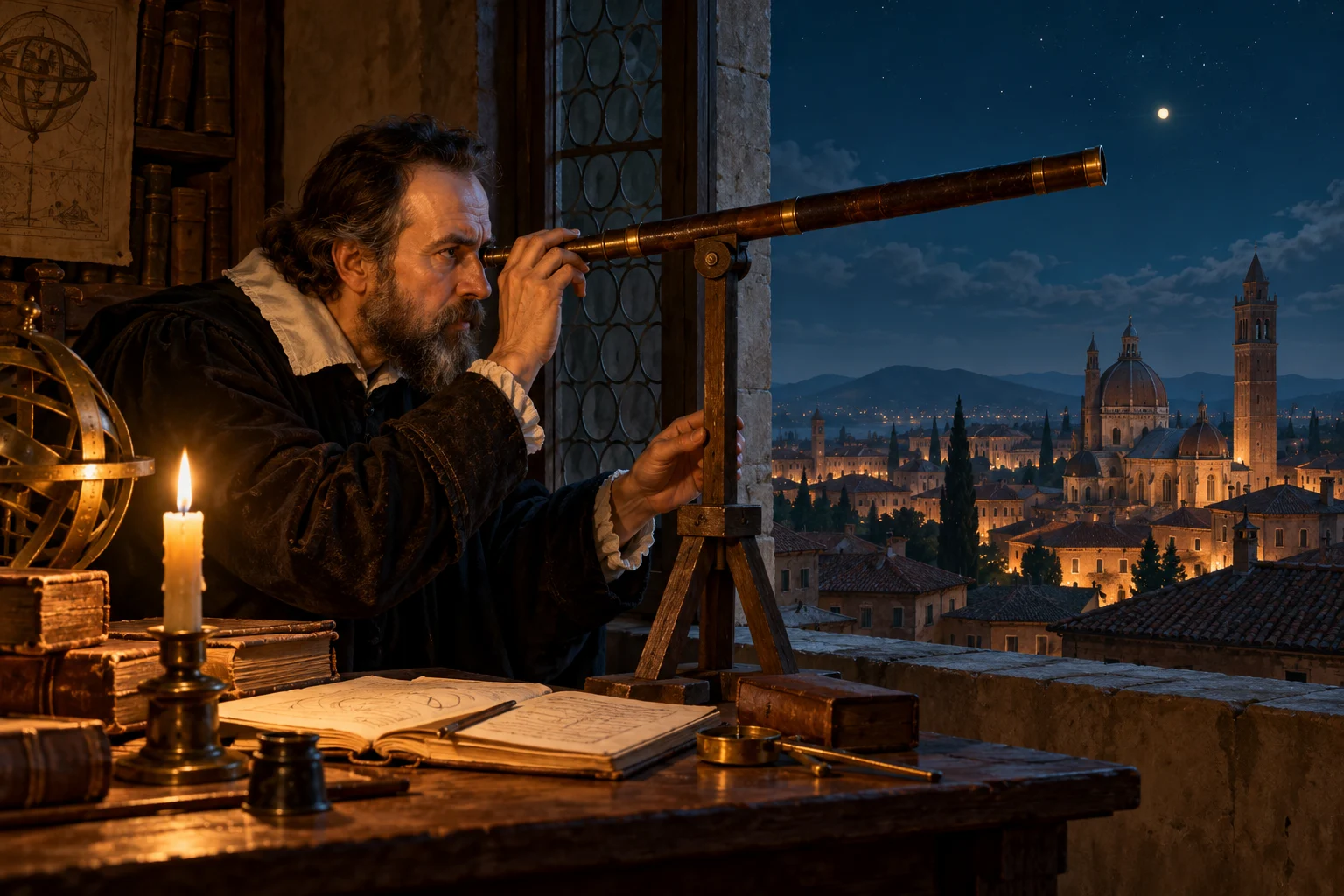 Astronomy & Scientific Evidence
Galileo's first observations of lights beside Jupiter
On 7 January 1610, Galileo recorded three small lights near Jupiter and initially interpreted them as stars. Repeated observations revealed a system of orbiting moons, challenging the assumption that every celestial body revolved around Earth.
Step into the story ↗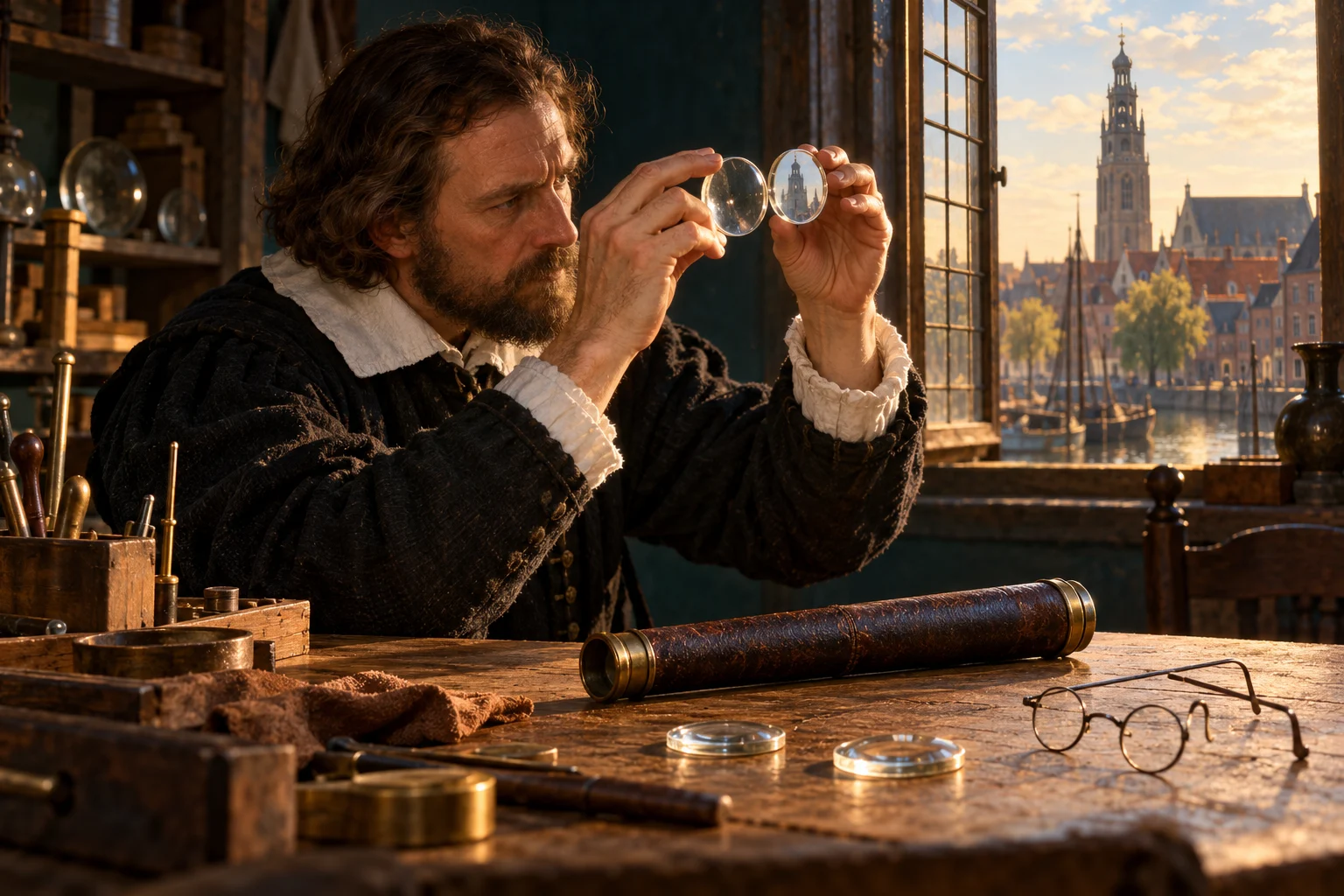 Optics & Knowledge
Hans Lippershey applies to patent an early telescope
On 2 October 1608, Hans Lippershey sought a Dutch patent for an instrument that made distant objects appear nearby. The application anchors the early history of the telescope in a document, while leaving broader questions of invention open.
Step into the story ↗Come for the story.
Stay for the challenge.
See a moment. Hear its soundtrack. Follow the clues. The daily PreviousDays quiz is waiting — and so are your friends.
Play the quiz ↗