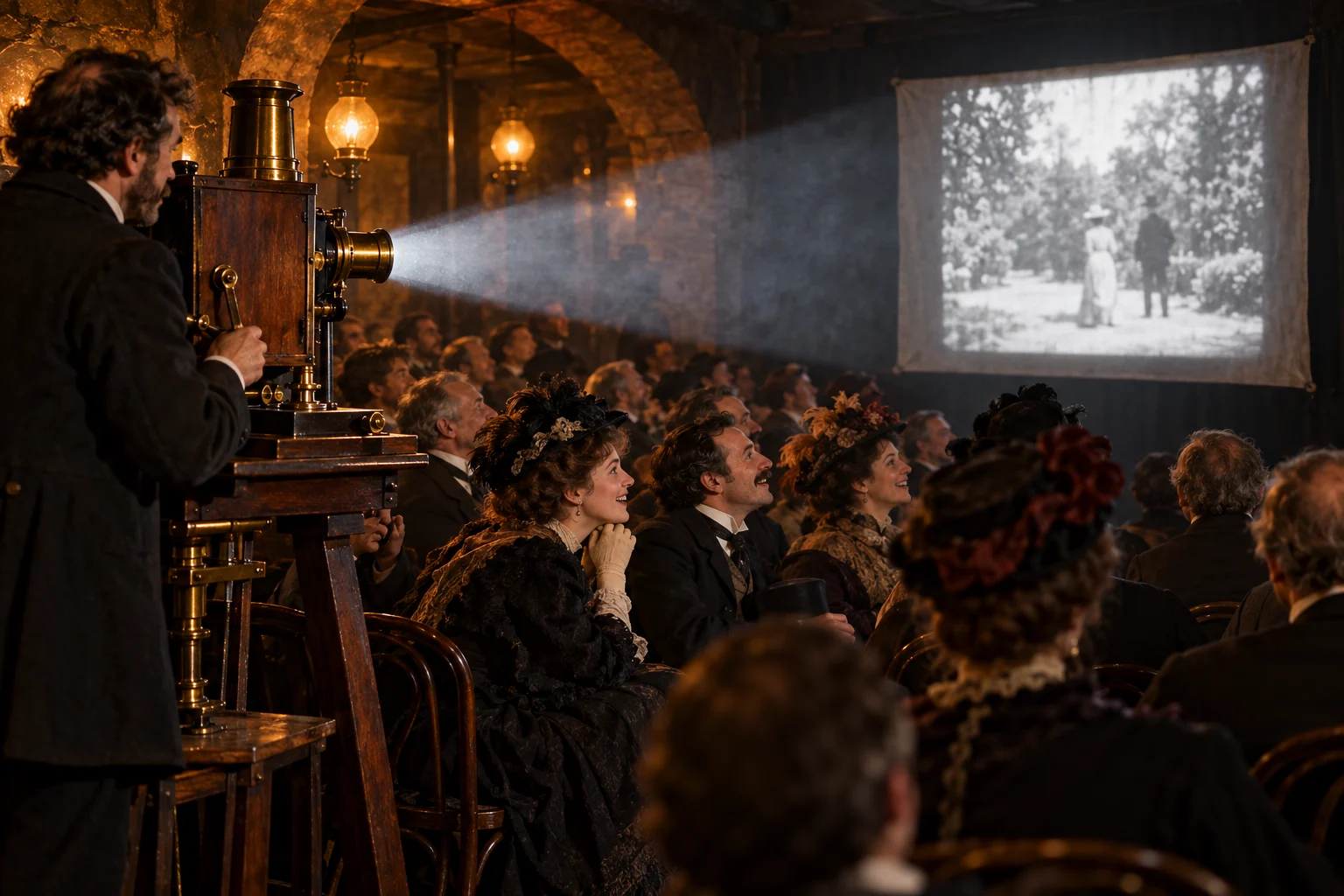
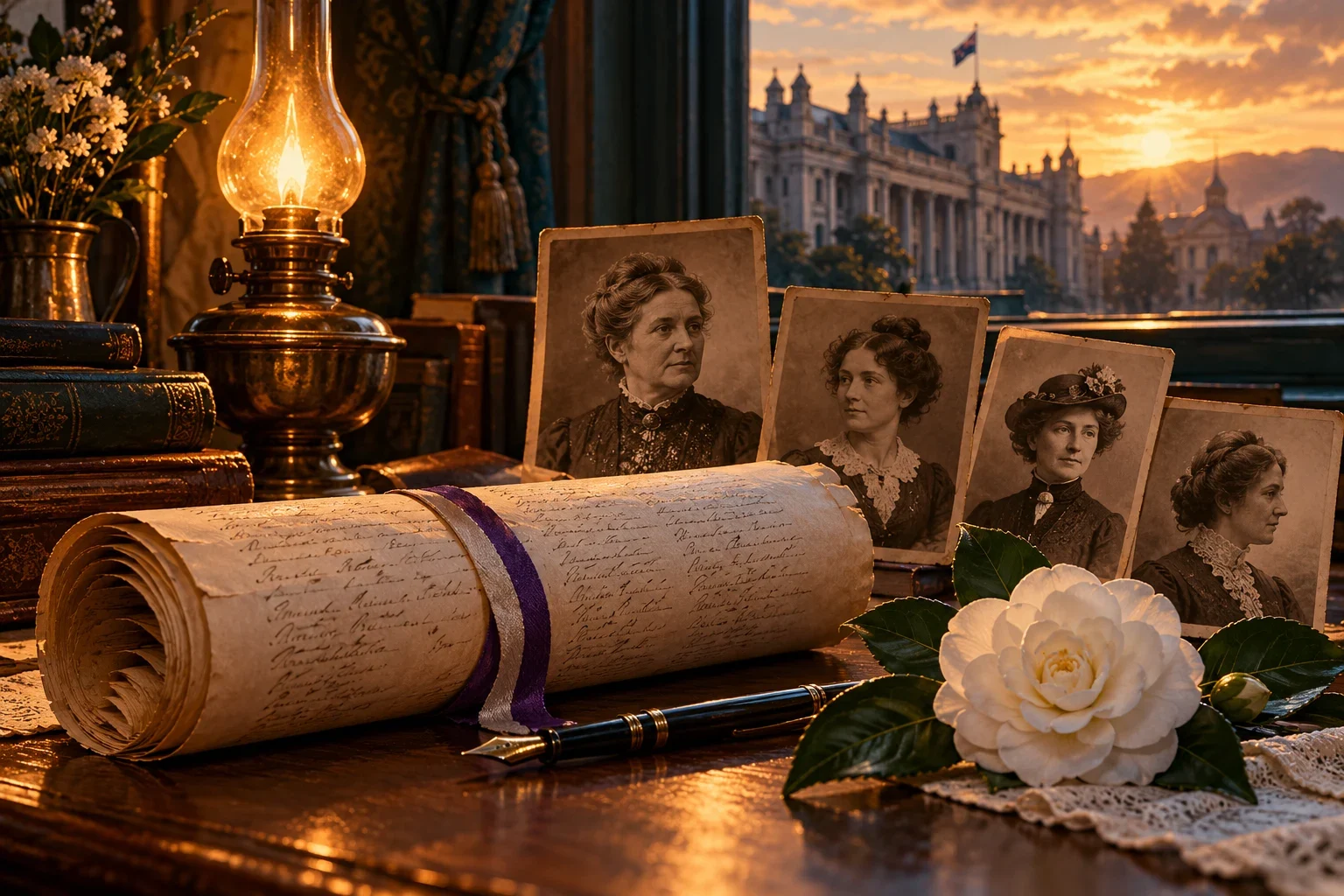
Opening of the Seneca Falls Women’s Rights Convention
Beginning on July 19, 1848, the Seneca Falls convention used the language of American independence to expose the gap between a promise of equality and women’s restricted rights.
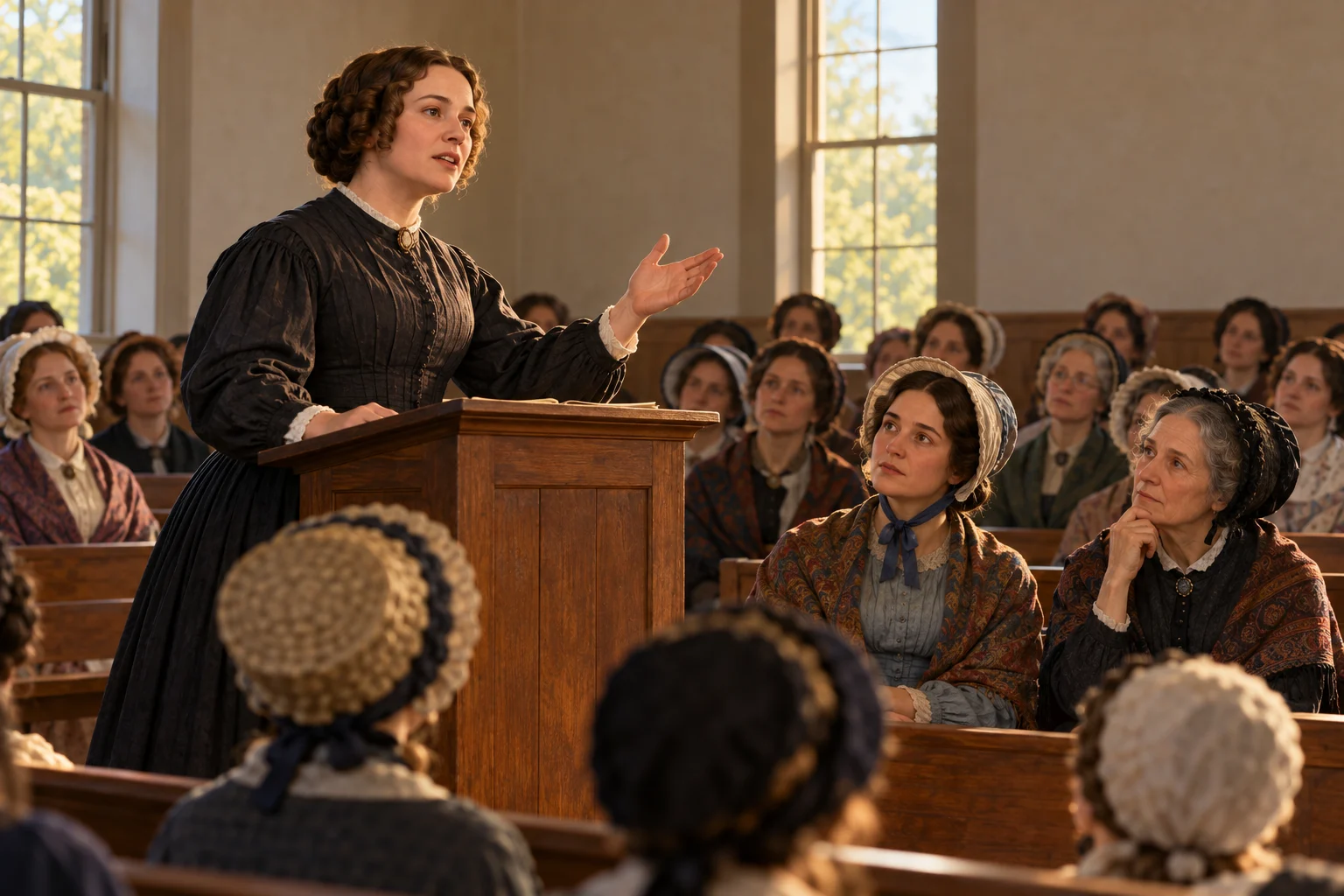
A meeting in a local chapel
The women's rights convention began at the Wesleyan Chapel in Seneca Falls, New York, on July 19, 1848, and continued the following day. The National Park Service estimates attendance at about 300 women and men across the gathering. Elizabeth Cady Stanton, Lucretia Mott and the other organizers brought a broad argument into public discussion: restrictions treated as ordinary features of family, education, work and government could be challenged as questions of rights.
The first day and the following sessions
Stanton and Mott addressed the opening day's sessions, while Mary Ann M'Clintock served as secretary. The proceedings extended beyond a single speech or moment. According to the park's account of officers and committees, the Declaration of Sentiments was read and discussed at the second morning's session. This sequence distinguishes the convention's opening date from later deliberation and signing. The meeting brought together speakers, listeners, writers and supporters whose collective work helped make its arguments public.
Using the nation’s own language
The Declaration of Sentiments deliberately adapted the structure and language of the Declaration of Independence. Its equality claim explicitly included women. Its grievances connected political exclusion with property, wages, marriage, education and participation in religious and professional life. This was a strategic choice: a revered national argument could be used to question who actually enjoyed its promises. The document sought admission to equal citizenship, rather than independence for a separate territorial state.
A statement, not an immediate legal settlement
At the gathering's conclusion, 68 women and 32 men signed the declaration. Their signatures did not themselves change voting qualifications or family law. They made a shared demand visible and provided a text around which later organizing could develop. The document also anticipated petitions, printed material and further conventions as tools for reform. Seneca Falls is therefore significant as an act of collective political argument. The illustration imagines a chapel address; it is not a surviving visual record of an identified session.
The March of the Women
University of Queensland School of Music students
A modern student performance of Ethel Smyth's 1911 song provides a later movement connection. Neither the composition nor this recording belongs to the 1848 convention.
Listen on SoundCloud ↗Follow the evidence.
- National Park Service: The First Women’s Rights Convention ↗
- National Park Service: Convention Officers and Committees ↗
- National Park Service: Declaration of Sentiments ↗
AI-assisted writing, with institutional and primary sources. Illustration is a reconstruction, not an archival photograph. Published October 31, 2026; updated October 31, 2026. Our approach