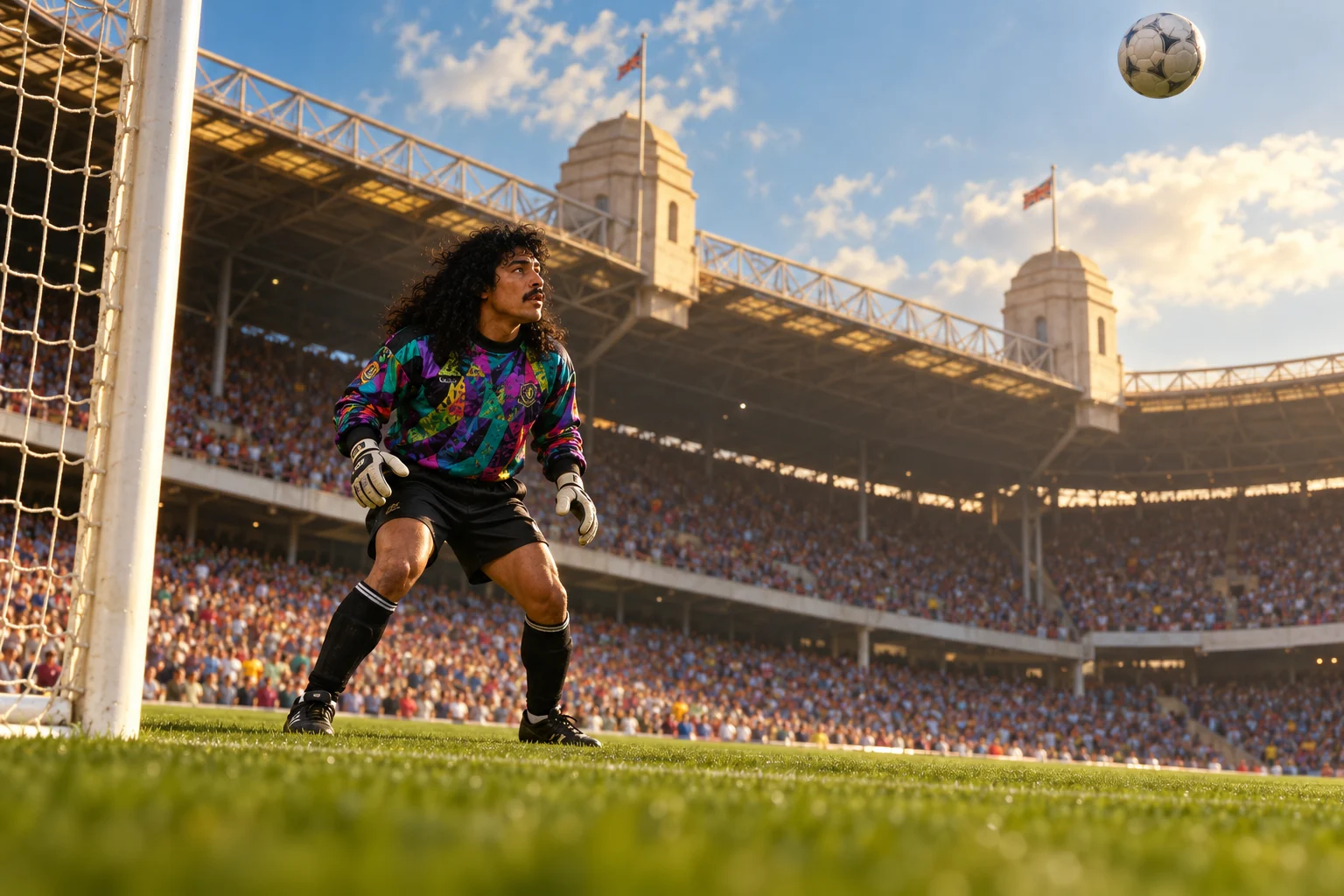
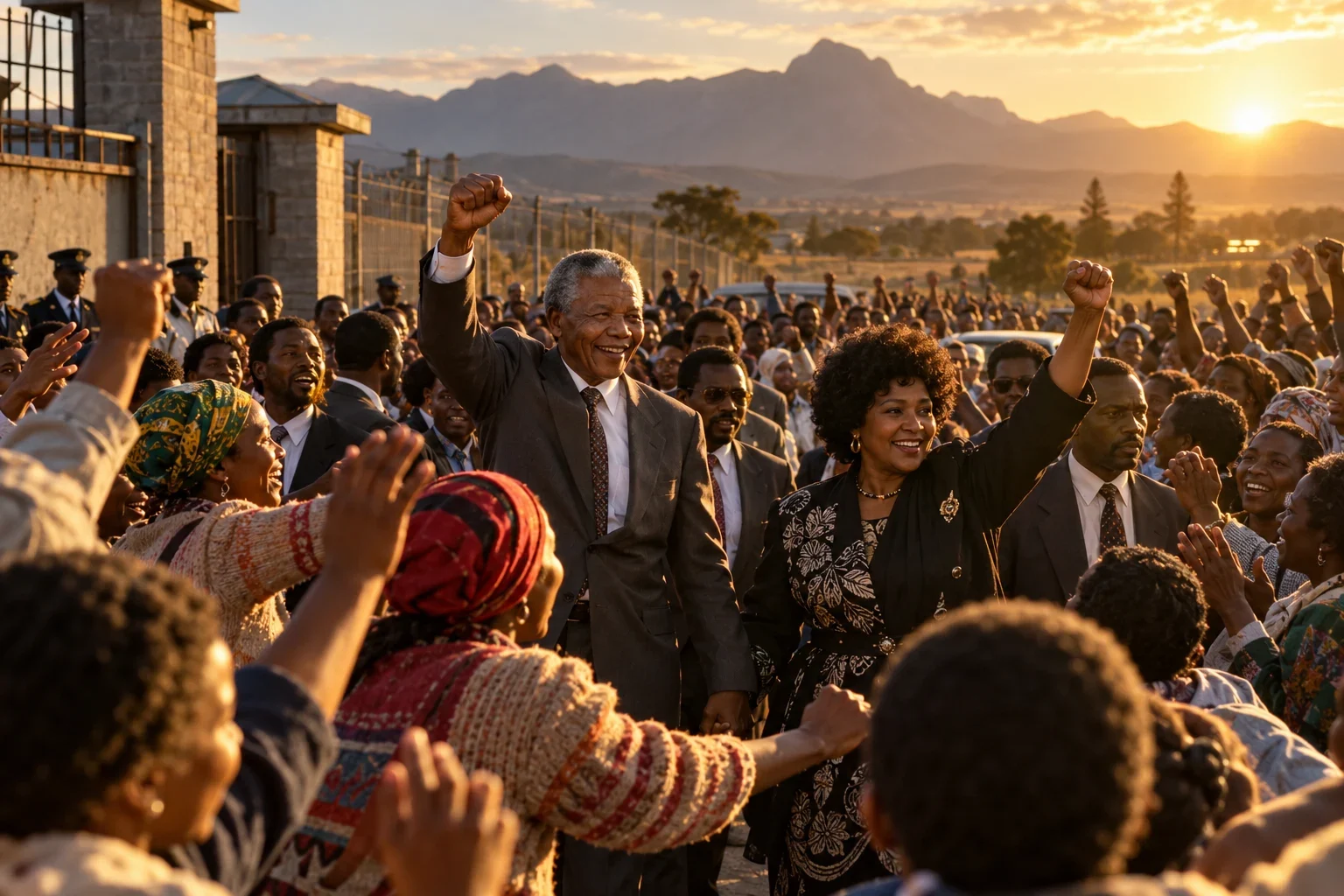
Derartu Tulu and Elana Meyer’s shared lap at Barcelona 1992
After the Olympic 10,000m final on 7 August 1992, Tulu and Meyer turned a fierce race into a spontaneous shared celebration.
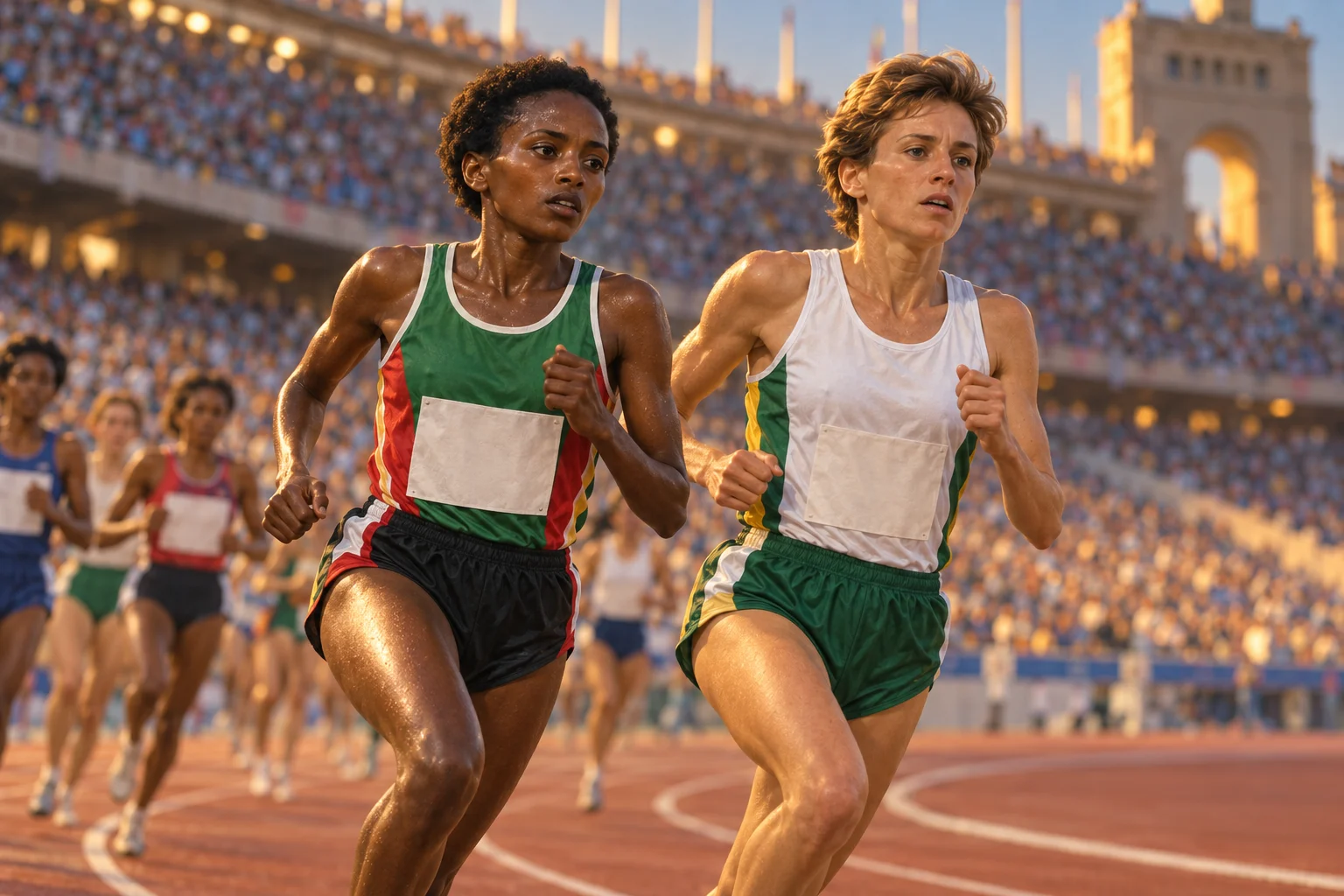
Two athletes at the front
Ethiopia’s Derartu Tulu and South Africa’s Elana Meyer became the defining figures of the women’s 10,000 metres final in Barcelona. Tulu had already achieved major results in junior and African competition, although she was not universally regarded as the favourite. Their contest brought a rising Ethiopian runner together with an athlete competing as South Africa returned to the Olympic Games after exclusion over apartheid. Their sporting backgrounds were different, but the final brought them into direct competition under the same rules and conditions. Olympedia biography
The final on 7 August
Tulu won gold on 7 August 1992, with Meyer taking silver. The victory made Tulu the first Black African woman to win an Olympic gold medal. Once the race was decided, she waited for Meyer. The two embraced, held hands and began a lap of honour together. The stadium’s own historical account dates both the final and the celebration, anchoring the remembered gesture to the actual competition. Stadium account
A spontaneous extra lap
The runners later explained that the celebration arose spontaneously. They had not known each other before the race and did not speak the same language. The physical gesture required no prepared speech: rivals could acknowledge a shared experience after competing for different medals. Its warmth did not diminish their sporting achievement. Instead, the extra lap became a second memorable event following the demanding twenty-five laps of the race itself.
A gesture preserved
The image acquired wider meaning as a Black Ethiopian and a white South African celebrated together during a period of political change. It should be understood as a powerful symbol, rather than proof that racism had disappeared. Thirty years later the athletes reunited in Barcelona, and Meyer donated the South African Olympic Committee flag from the celebration to the Olympic museum. That preserved object connects the public memory with the runners’ own experience. The accompanying illustration depicts the race, rather than presenting itself as a photograph of their later embrace. Barcelona Olympic Foundation
Tizita
Hailu Mergia
This later live performance by Ethiopian keyboardist Hailu Mergia, shared by his label, connects culturally with Tulu’s home country. It is not stadium audio or a soundtrack documented during the race.
Listen on SoundCloud ↗Follow the evidence.
- Estadi Olímpic: Tulu and Meyer, an eternal embrace ↗
- Barcelona Olympic Foundation: Athletes’ reunion and donated flag ↗
- Olympedia: Derartu Tulu ↗
AI-assisted writing, with institutional and primary sources. Illustration is a reconstruction, not an archival photograph. Published October 31, 2026; updated October 31, 2026. Our approach