The Friendly Floatees spill: bath toys as ocean tracers
A North Pacific cargo accident on 10 January 1992 released thousands of plastic bath toys. Their subsequent discovery on beaches gave oceanographers an unusual source of evidence about surface currents and the movement of floating debris.
Storm and spill
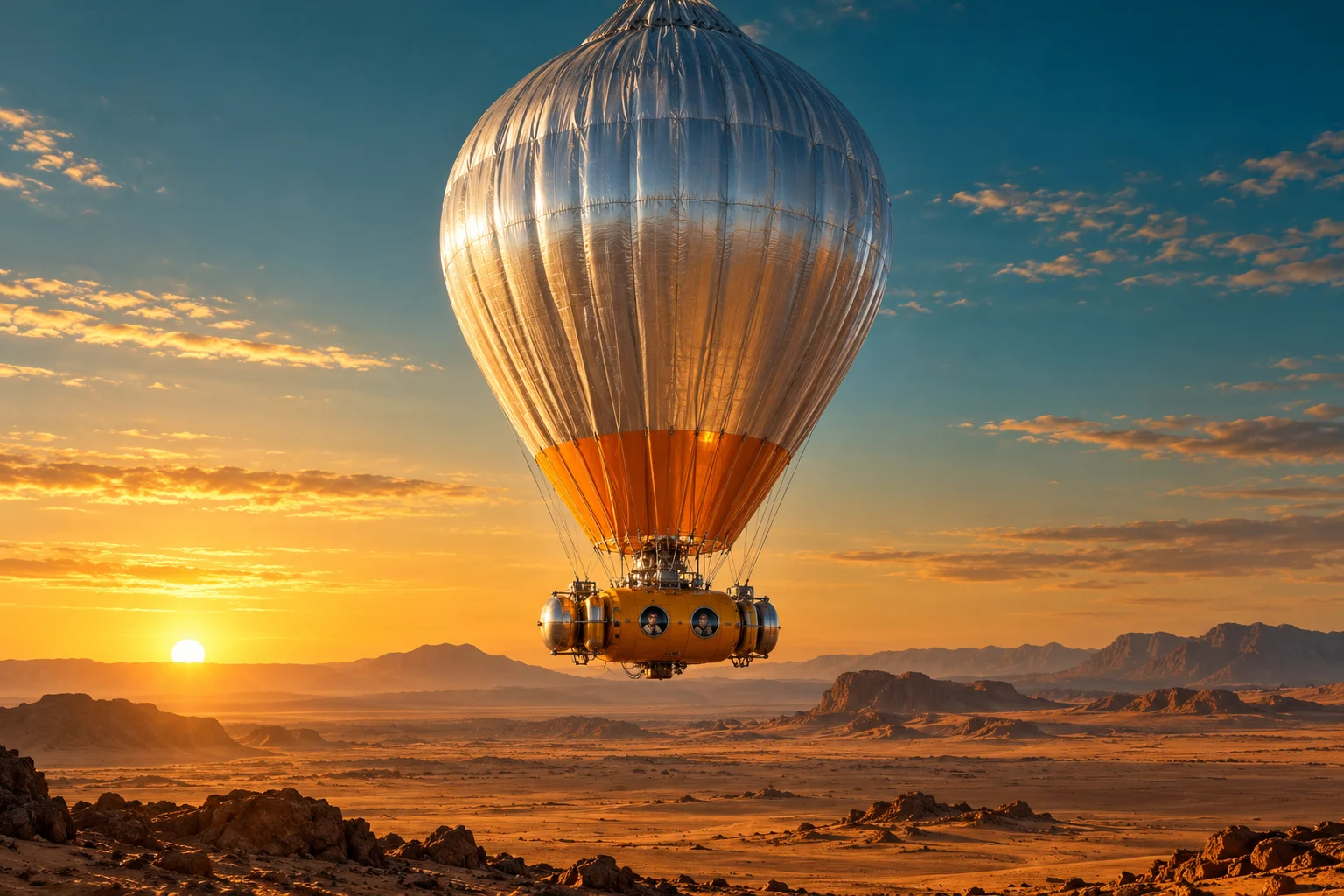
On 10 January 1992, a container vessel travelling from Hong Kong to Tacoma, Washington, encountered severe weather near the International Date Line. Twelve containers went overboard; one carried roughly 29,000 plastic bath toys. Ten months later, toys began appearing on beaches near Sitka in southeastern Alaska. The incident became a case study in accidental oceanography. Ebbesmeyer and Ingraham's original report.
An unusual set of drifters
The consignment contained ducks, turtles, frogs and beavers. Oceanographer Curtis Ebbesmeyer's firsthand account gives the total as 28,800 toys, manufactured by The First Years. He reported tracking the toys for fourteen years, with reported finds amounting to about 3.3 percent of the original cargo. Their distinctive forms helped connect beach discoveries to a shared release at sea. Ebbesmeyer's account.
The yellow ducks were accompanied by blue turtles, green frogs and red beavers. Despite the familiar phrase “rubber ducks,” these were plastic toys. Science Museum account; collection record.
Reading an ocean from beach finds
Beachcombers supplied reports of where the toys washed ashore. Ebbesmeyer and James Ingraham used those discoveries to refine models of ocean surface currents. An everyday object could therefore become a scientific observation when its arrival place was recorded. Science Museum collection record.
A later research paper examined strandings around the Pacific Subarctic Gyre, the large circulation system linking waters off Asia and North America. The authors asked how long currents around its perimeter took to transport floating debris. Continued sightings extended the investigation beyond the initial journey to Alaska, turning a single cargo loss into a study of circulation over many years. Research on the gyre.
From shoreline to museum
The Science Museum Group preserves a small yellow duck recovered at Sitka. Its catalogue identifies it as a Friendly Floatee and records its use in studying drift patterns. An ordinary plaything thus became a museum object through its unexpected scientific role. Collection record.
The museum acquired toys in 2005 after appealing on Sitka community websites for a duck. This final journey was made in a box by air. The episode's lasting appeal lies in that change of scale: a palm-sized toy could supply evidence about an ocean. Museum acquisition account.
Adrift Among Infinite Stars
Scott Buckley
A later, thematic accompaniment: Scott Buckley’s 2022 piano, synth and strings recording evokes a small object drifting through an immense world. It is not contemporary with the 1992 spill.
Listen on SoundCloud ↗Follow the evidence.
- Ebbesmeyer and Ingraham (1994), Pacific toy spill fuels ocean current pathways research — original research ↗
- Curtis C. Ebbesmeyer, Flotsam Oceanography — firsthand account, Ocean Motion ↗
- Science Museum Group: recovered Friendly Floatee plastic duck, object 2005-395 ↗
- Alison Boyle, A Quacking Tale — Science Museum ↗
- Ebbesmeyer and colleagues (2007), Tub toys orbit the Pacific subarctic gyre — original research ↗
AI-assisted writing, with institutional and primary sources. Illustration is a reconstruction, not an archival photograph. Published October 31, 2026; updated October 31, 2026. Our approach