The Gambia becomes independent on 18 February 1965
The Gambia gained independence from Britain on 18 February 1965. It initially became a constitutional monarchy within the Commonwealth, illustrating why sovereignty and the establishment of a republic need not happen together.
A country shaped around a river
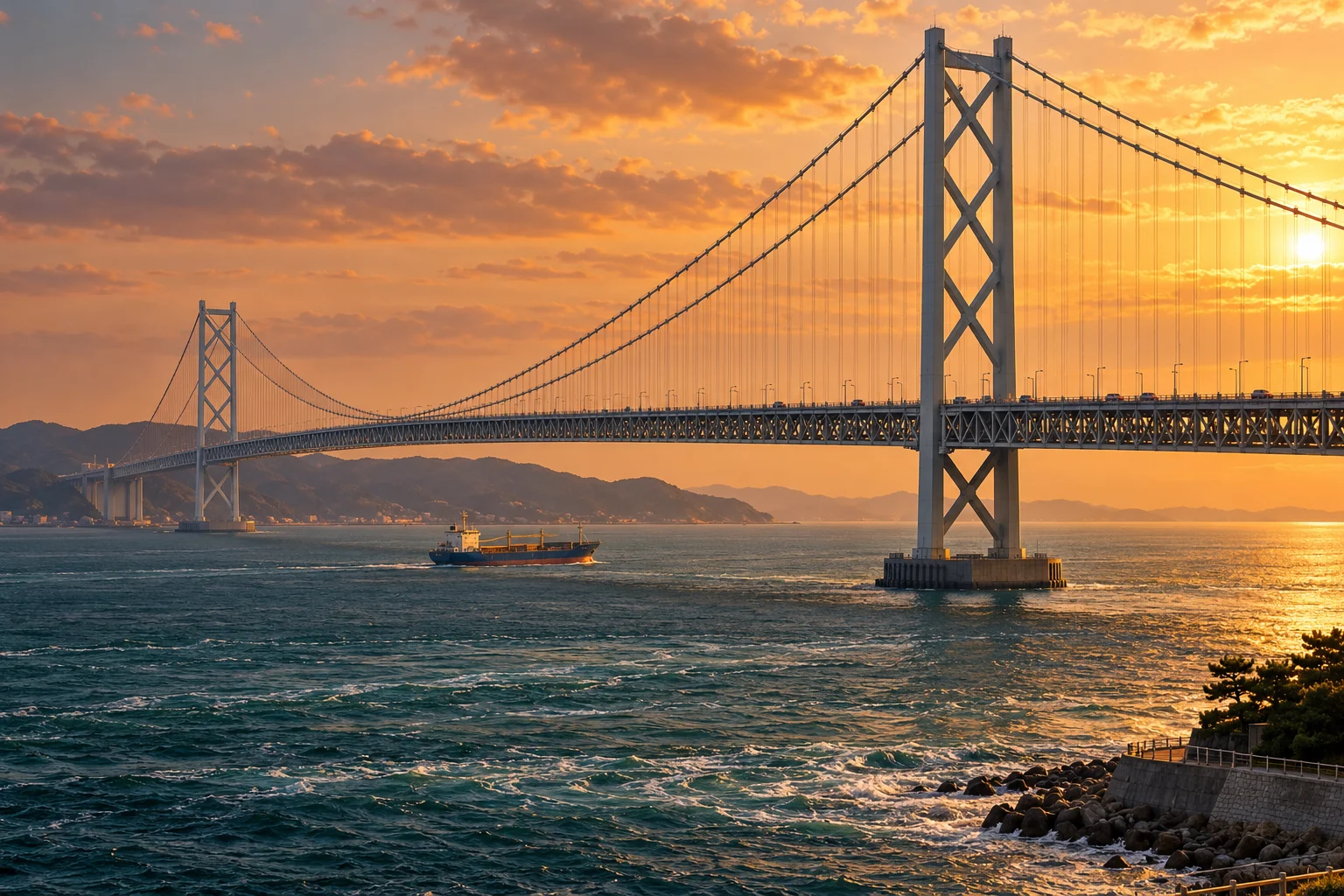
The Gambia occupies a narrow territory along the River Gambia in West Africa, reaching the Atlantic and otherwise surrounded by Senegal. River transport, commerce and competing European interests helped shape its colonial history. British administration combined the coastal colony with a much larger protectorate inland. The resulting state was small, but its geography connected inland communities with an important Atlantic outlet. Its independence belonged to a much wider transformation of colonial rule across Africa.
From internal government to independence
Political institutions expanded before full sovereignty arrived. The Independent Electoral Commission's historical account describes elections and the growth of representative government, followed by full internal self-government in 1963. Dawda Jawara led the movement toward independence. On 18 February 1965, The Gambia attained that status. The date and its original constitutional form are established together in the commission's account. The change ended British colonial authority without requiring the immediate adoption of every possible constitutional change.
An independent monarchy
At independence, The Gambia was a constitutional monarchy within the Commonwealth. Elizabeth II remained head of state, while Gambian ministers governed the sovereign country. Sharing a monarch did not make the state an overseas territory. This distinction helps explain a common feature of decolonisation: political independence, Commonwealth membership and republican government were related choices, but they were not identical conditions. The Commonwealth's historical timeline also records the country's entry into the association on independence day.
A later constitutional step
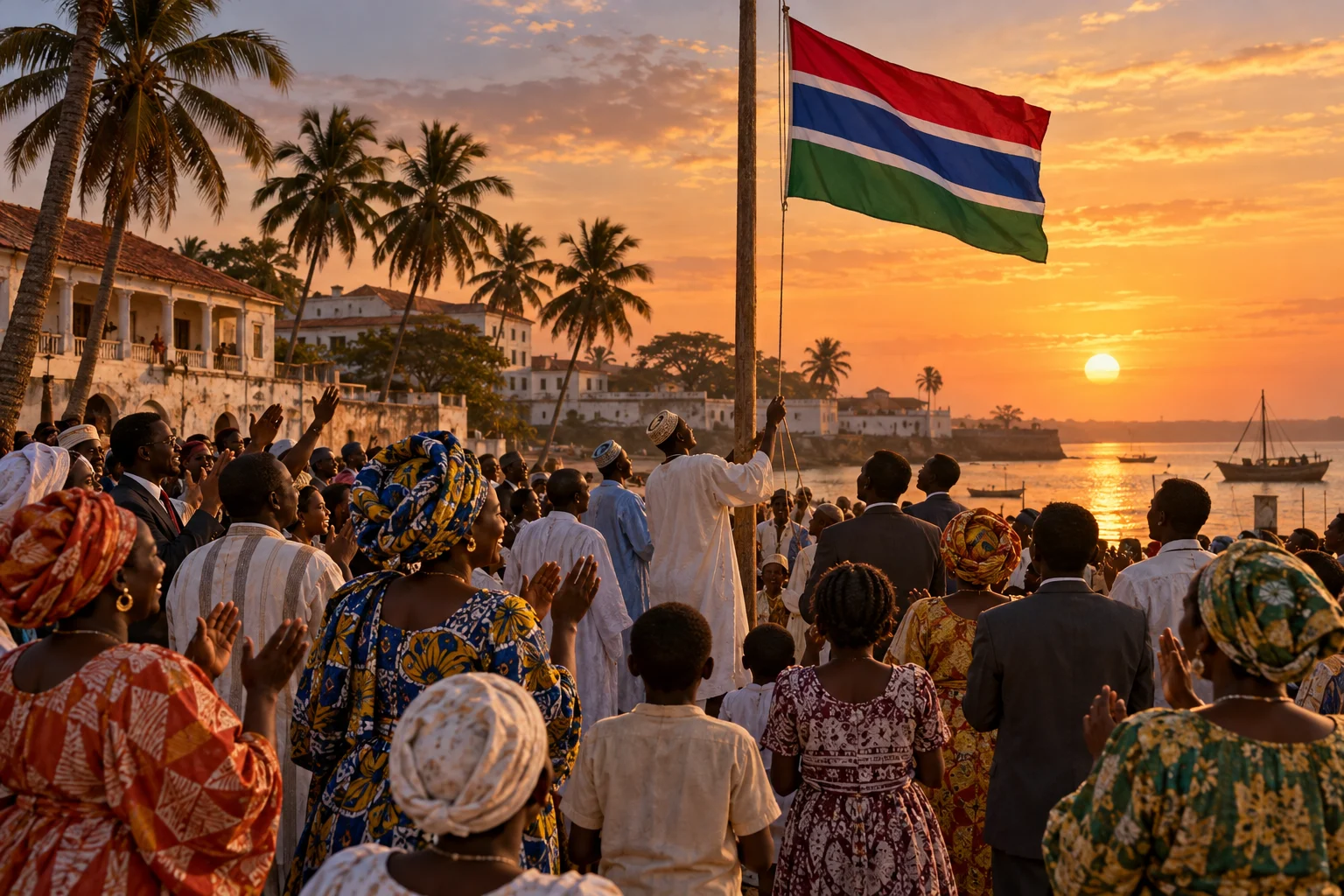
Following a referendum, The Gambia became a republic on 24 April 1970, five years after independence. The earlier date therefore marks sovereignty, while the later one marks a change in the head-of-state system. Both remain part of the country's constitutional history. The Gambian consulate's overview gives the two dates separately. The illustration imagines citizens watching the national flag during the independence period; it does not claim to reproduce a specific documented flag-raising location or arrangement of participants.
Gambia
Sona Jobarteh
Jobarteh's later song celebrates Gambian identity and culture. The linked upload carries her official-video performance; it is a modern musical association, not a recording of the 1965 ceremony.
Listen on SoundCloud ↗Follow the evidence.
- Independent Electoral Commission of The Gambia: History ↗
- Consulate of The Gambia: About the country ↗
- Commonwealth: Our history ↗
- SoundCloud: Sona Jobarteh - GAMBIA (Official Video) by Mo Oumha ↗
- Sona Jobarteh: official website and Gambia video ↗
AI-assisted writing, with institutional and primary sources. Illustration is a reconstruction, not an archival photograph. Published October 31, 2026; updated October 31, 2026. Our approach