The opening of São Paulo’s Modern Art Week in 1922
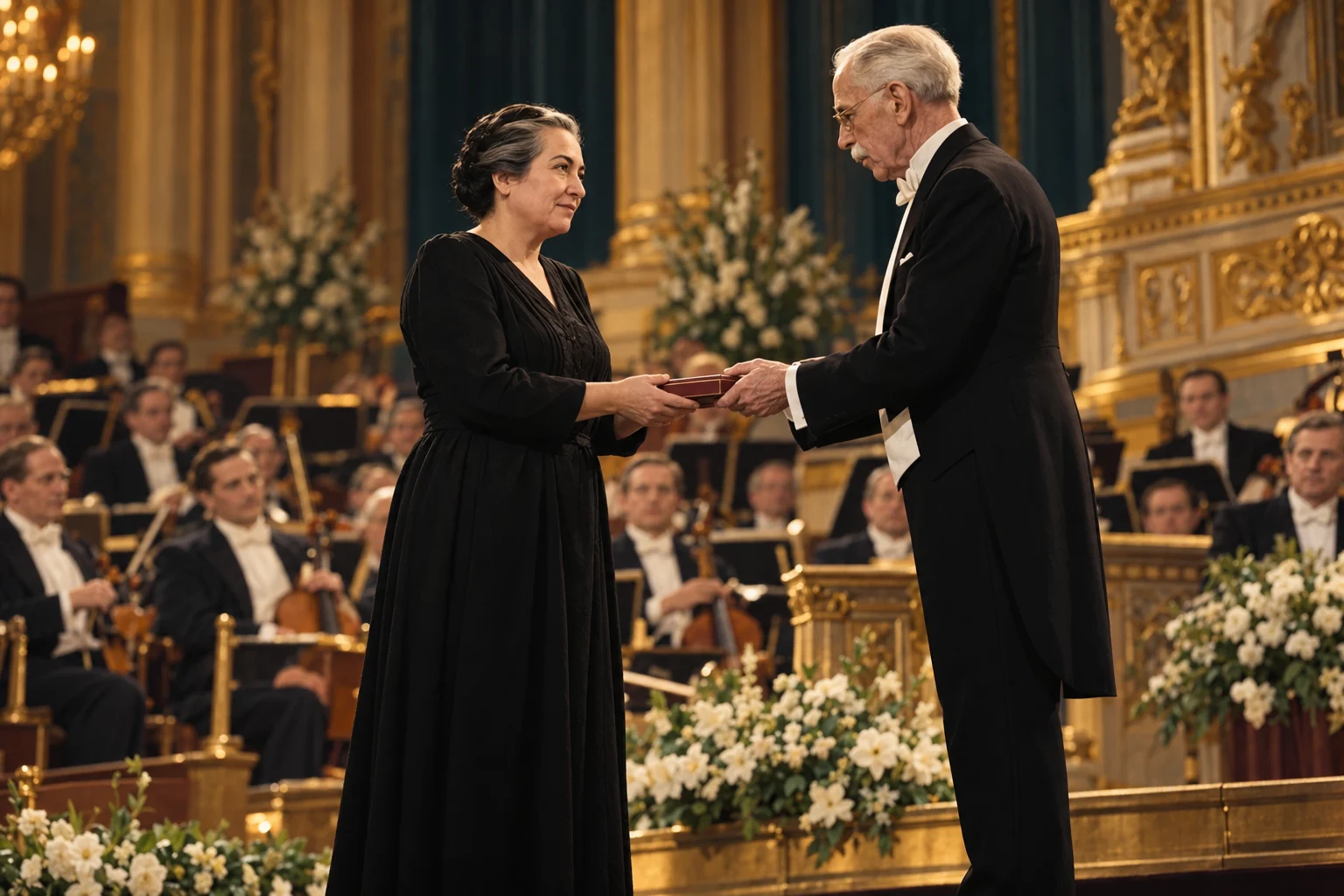
Modern Art Week opened on 13 February 1922, bringing experimental art, poetry, lectures and music into São Paulo’s Theatro Municipal.
Modernism enters the theatre
São Paulo’s Modern Art Week gathered several artistic languages within a prestigious cultural institution. Painting, sculpture, architecture, literature and music appeared as connected parts of a debate about artistic renewal. The event took place during Brazil’s independence centenary year, but its participants did not share one uniform style or programme. Their gathering helped make dissatisfaction with inherited artistic conventions a public cultural issue. The challenge was therefore presented through several forms of artistic practice, with spoken argument sharing space with actual works. Fundação Clóvis Salgado
The first evening
The opening on 13 February 1922 included Graça Aranha’s lecture on aesthetic emotion in modern art. The Theatro Municipal’s documentary study describes poetry and music accompanying the lecture, followed by chamber music associated with Heitor Villa-Lobos. Ronald de Carvalho also spoke on modern painting and sculpture. The programme therefore placed explanation, performance and exhibition in conversation, rather than asking visitors to encounter unfamiliar works without a wider argument. Theatre documentary study
Many contributors, several disciplines
Anita Malfatti played an important role in assembling the visual-art participants. The exhibition included works by artists such as Di Cavalcanti and Victor Brecheret, while composers, poets and performers shaped the stage events. This collaboration matters to the festival’s legacy: modernism became visible as a network of people working across media. The gathering was supported by wealthy patrons, which also complicates any picture of it as a movement entirely outside established social institutions.
A landmark and its mythology
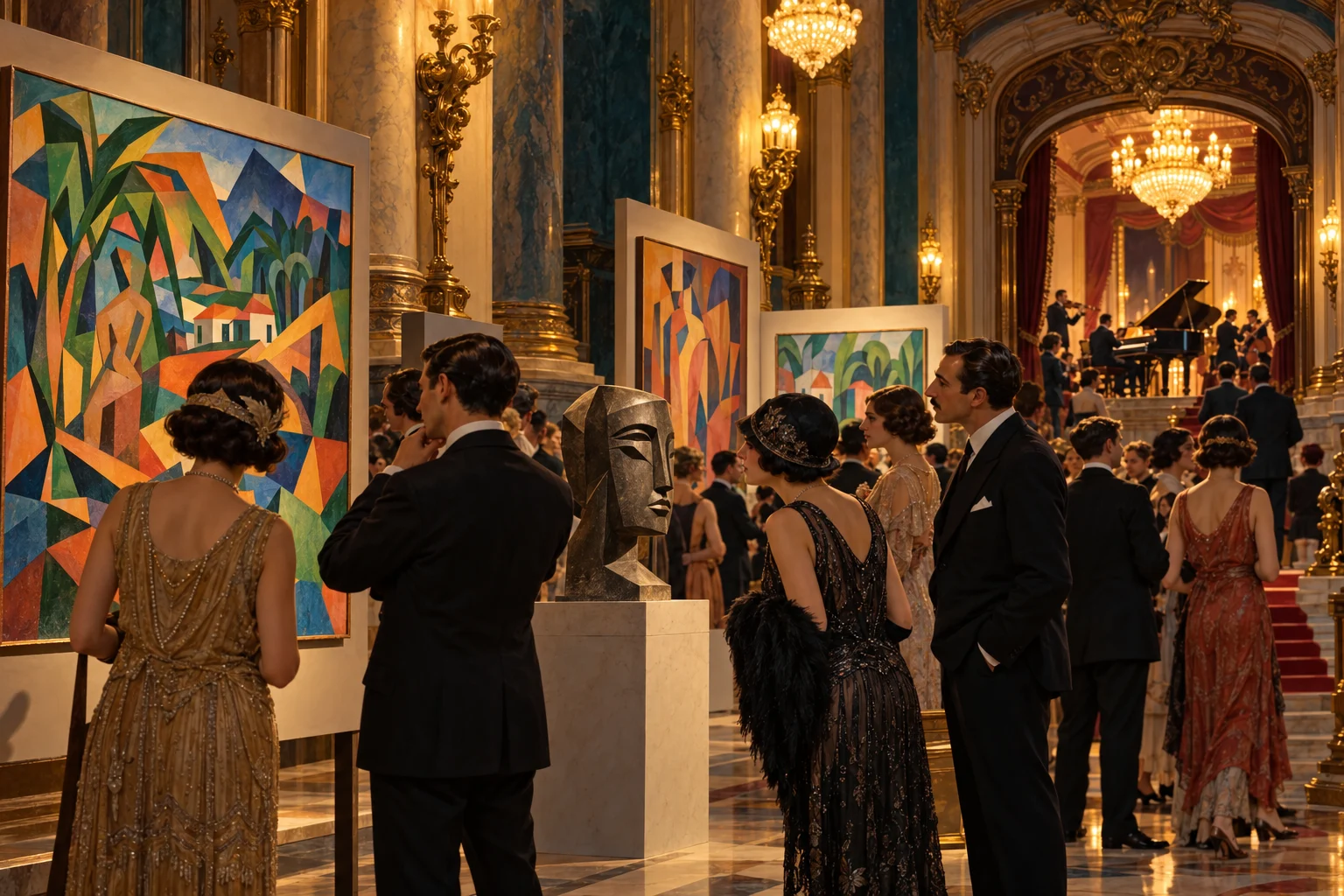
The Week became a powerful reference point in later accounts of Brazilian culture. Its status should not imply that modern artistic experiments began everywhere in Brazil on that evening. In an opinion essay published by Itaú Cultural, writer Ruy Castro questions parts of the event’s later mythology and the evidence behind familiar stories. That debate distinguishes a well-documented opening from sweeping claims about a single birthplace of modernism. The illustrated foyer is an original imagined scene, not documentation of the actual exhibition layout. Ruy Castro’s critical essay
Villa-Lobos: Bachianas brasileiras No. 5 — Ária
U. Tervoort, soprano; F. Hiemenz, guitar
A 1993 live soprano-and-guitar performance links to Villa-Lobos, a composer represented at the opening. This later work and arrangement were not on the 1922 opening programme.
Listen on SoundCloud ↗Follow the evidence.
- Theatro Municipal: Vestígios da Semana de 22, documentary sources ↗
- Fundação Clóvis Salgado: Centenary of Modern Art Week ↗
- Itaú Cultural: Ruy Castro on the Week’s later mythology ↗
AI-assisted writing, with institutional and primary sources. Illustration is a reconstruction, not an archival photograph. Published October 31, 2026; updated October 31, 2026. Our approach