George Franklin Grant’s 1899 Golf Tee Patent
On 12 December 1899, Boston dentist George Franklin Grant received a patent for a reusable golf tee. Its rigid base and flexible head addressed a familiar inconvenience: making a fresh sand mound before a drive.

A familiar inconvenience
Before small manufactured tees became ordinary golf equipment, players could raise a ball on a mound of sand or similar material. Shaping that mound by hand was part of preparing to drive. George Franklin Grant approached this modest problem as an inventor. His patent explicitly identifies the sand mound as the practice his device would replace. The goal was practical: support the ball securely before the stroke without obstructing the club or the departing ball. Read the patent
The patent of 12 December 1899
Grant filed his application in July, and U.S. patent 638,920 was issued on 12 December 1899. The design combined two parts with different jobs. A pointed, preferably wooden base entered the ground. Rubber tubing fitted over its upper end, forming a flexible seat for the ball. The head could bend in the direction of the stroke if struck. Grant also described withdrawing the tee after a drive and using it again at the next suitable opportunity.
A dentist and an inventor
Grant was a Boston dentist and a graduate of Harvard’s dental school, with a career that also included teaching. His biography helps place the invention within a wider world of professional skill and experimentation. The United States Patent and Trademark Office includes his tee among examples of sporting innovation by Black inventors. The patent itself is evidence for a particular design, however; it does not prove that every later tee descended from it or that golfers immediately adopted it. Biographical record and USPTO context.
Why the small mechanism matters
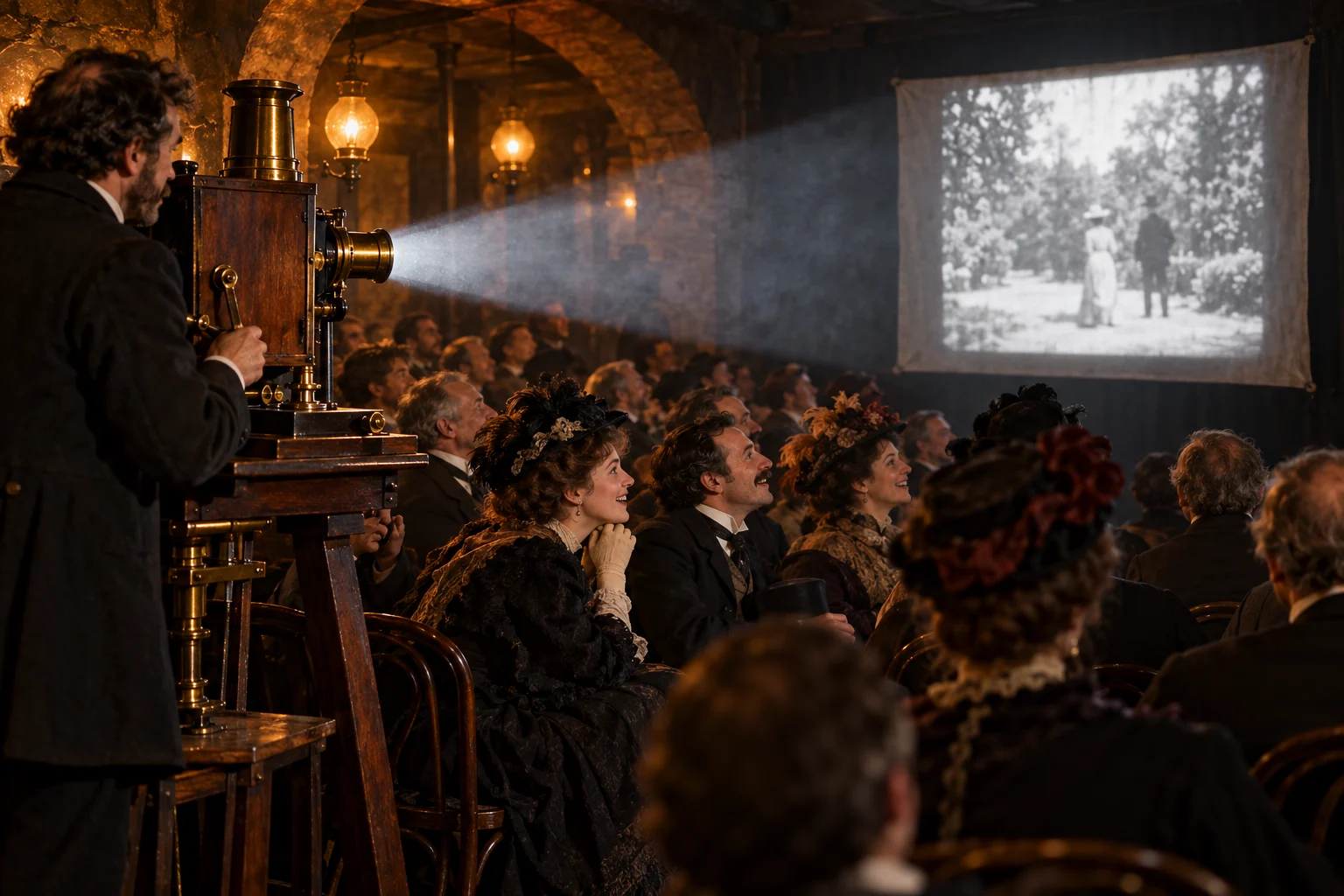
The cleverness lies in separating firmness from flexibility. The base needed to hold its position, while the upper portion needed to give way. A simple object could therefore solve two opposing requirements at once. That makes the patent more informative than a generic claim that somebody “invented golf equipment.” It records the inconvenience, the proposed materials and the intended movement. The accompanying illustration imagines the period setting and the idea; it is not a surviving photograph of Grant demonstrating his patented device.
Scott Joplin - Maple Leaf Rag
Noah Wibe
Wibe’s later piano performance supplies an American musical connection to 1899, the year Joplin’s rag was published and Grant’s patent issued. This is not a recording from Grant’s lifetime.
Listen on SoundCloud ↗Follow the evidence.
- George F. Grant, Golf-tee, U.S. patent 638,920 ↗
- USPTO: innovators that changed sports ↗
- Boston Public Library: George Franklin Grant ↗
- University of South Florida: Maple Leaf Rag, 1899 ↗
AI-assisted writing, with institutional and primary sources. Illustration is a reconstruction, not an archival photograph. Published November 1, 2026; updated November 1, 2026. Our approach