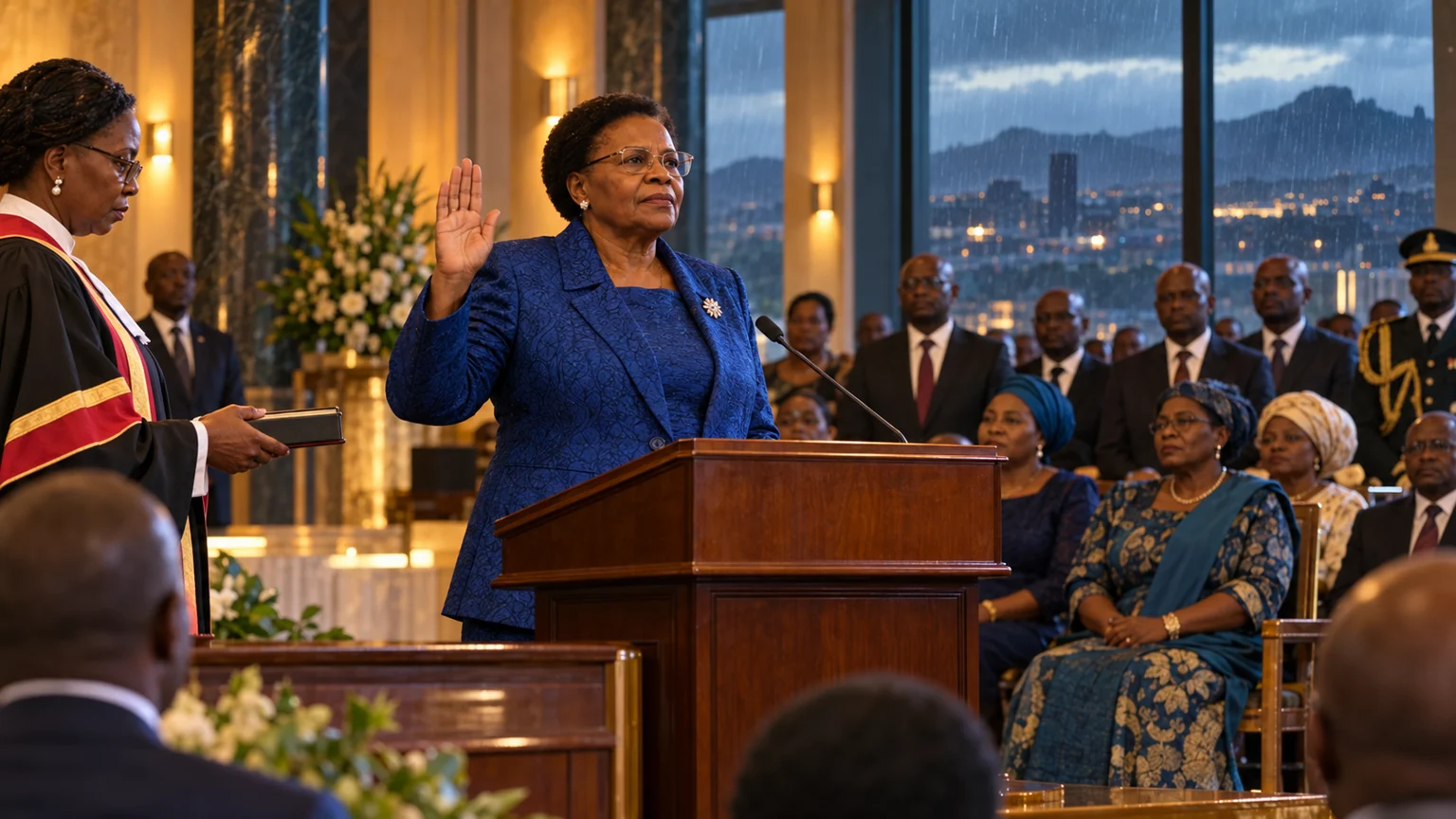
The High Seas Treaty Enters into Force
The Biodiversity Beyond National Jurisdiction Agreement entered into force on 17 January 2026. It strengthened international cooperation on ocean conservation, including a framework for creating marine protected areas beyond national limits.
From an adopted text to a binding agreement
The BBNJ Agreement entered into force on 17 January 2026. The United Nations Treaty Collection records this date and explains the trigger: 120 days had passed after the sixtieth instrument of ratification, approval, acceptance or accession was deposited. Adoption of the text in June 2023 and its entry into force were separate legal steps. The January milestone brought the agreement into operation for its parties, rather than merely announcing an aspiration for future negotiations. UN depositary record
Conservation beyond national limits
The agreement concerns marine biodiversity in areas beyond national jurisdiction. These regions cover roughly two thirds of the ocean and cannot be managed simply as extensions of a single country’s coastal park system. One major contribution is a framework for area-based management, including marine protected areas. Countries can work through common procedures instead of relying only on disconnected national action. A framework creates a route to protection; it does not itself designate every eligible area as a reserve. UN assessment of Goal 14
Four connected areas of work
Marine protected areas are one part of a larger package. The agreement also addresses marine genetic resources and fair sharing of benefits, environmental impact assessments, and capacity-building with technology transfer. These subjects connect scientific research, environmental decisions and access to the means of carrying them out. Developing countries may need equipment, training and data as well as a voice in negotiations. Conservation therefore depends on institutions and scientific capacity alongside the drawing of boundaries on a map. IMO explanation
Implementation remains essential
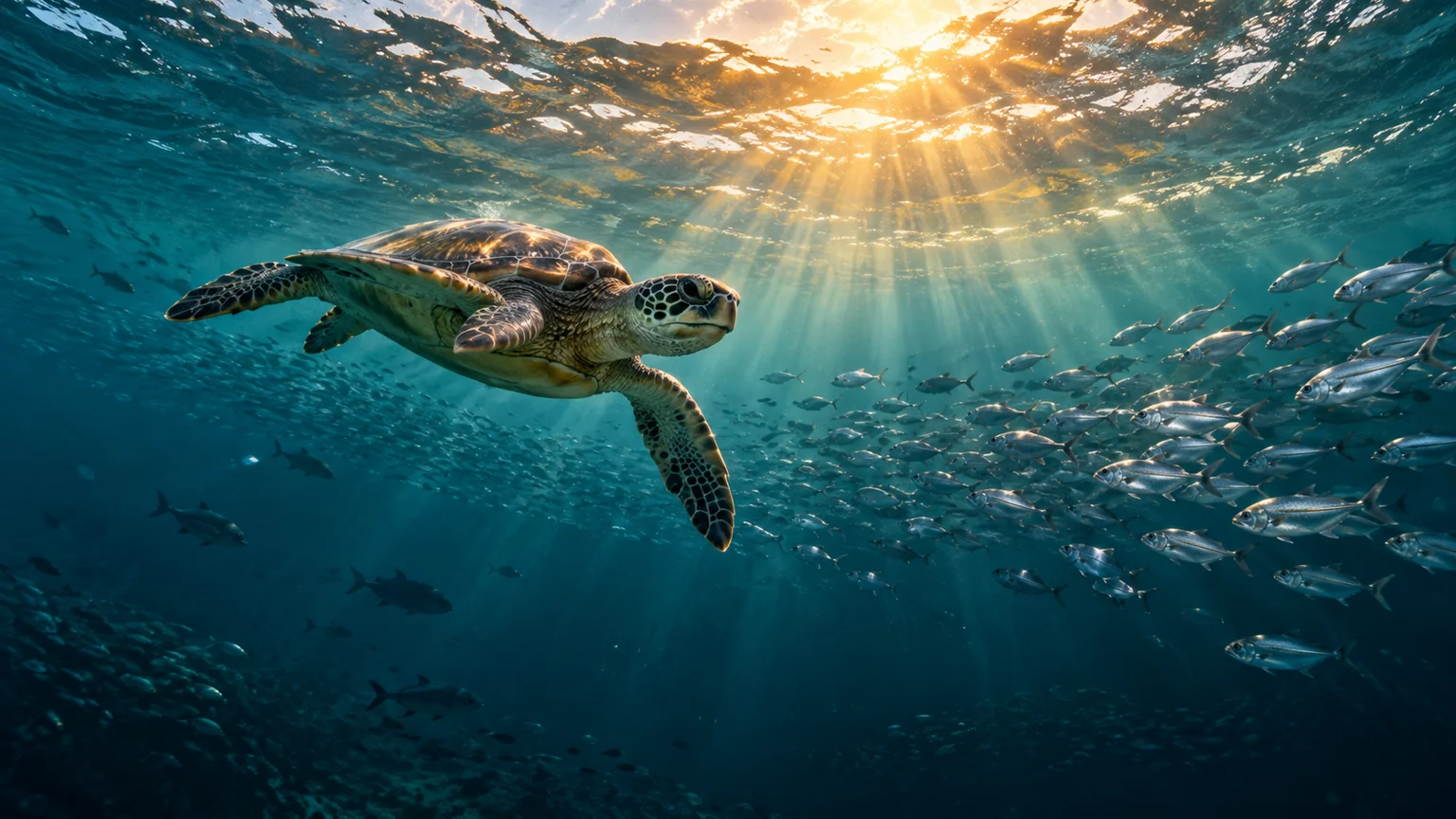
The treaty operates within the wider law-of-the-sea framework. Existing shipping rules, including measures against pollution and invasive species, continue to matter. IMO described its own role as supporting implementation within its expertise, not replacing all ocean governance with one new organisation. Entry into force was consequently a starting point for decisions, cooperation and enforcement. The accompanying illustration presents marine life as a thematic scene; it does not depict a particular newly designated protected area or imply that legal boundaries are visible underwater. Relationship with existing maritime rules
Debussy - La Mer
Boston Philharmonic Orchestra
The orchestra’s complete performance of Debussy’s musical portrait of the sea provides a thematic soundtrack. This independent concert recording is unrelated to the treaty’s negotiations or entry into force.
Listen on SoundCloud ↗Follow the evidence.
- United Nations Treaty Collection: BBNJ Agreement status ↗
- International Maritime Organization: BBNJ entry into force ↗
- United Nations: Sustainable Development Goal 14, 2026 ↗
AI-assisted writing, with institutional and primary sources. Illustration is a reconstruction, not an archival photograph. Published October 31, 2026; updated October 31, 2026. Our approach