UNESCO Recognition of Paraguay’s Tereré Culture in 2020
On December 17, 2020, UNESCO recognized the practices and traditional knowledge of tereré in Paraguay’s pohã ñana culture. The inscription concerns a living system of preparation, botanical knowledge, sharing and social meaning.
A drink and the knowledge around it
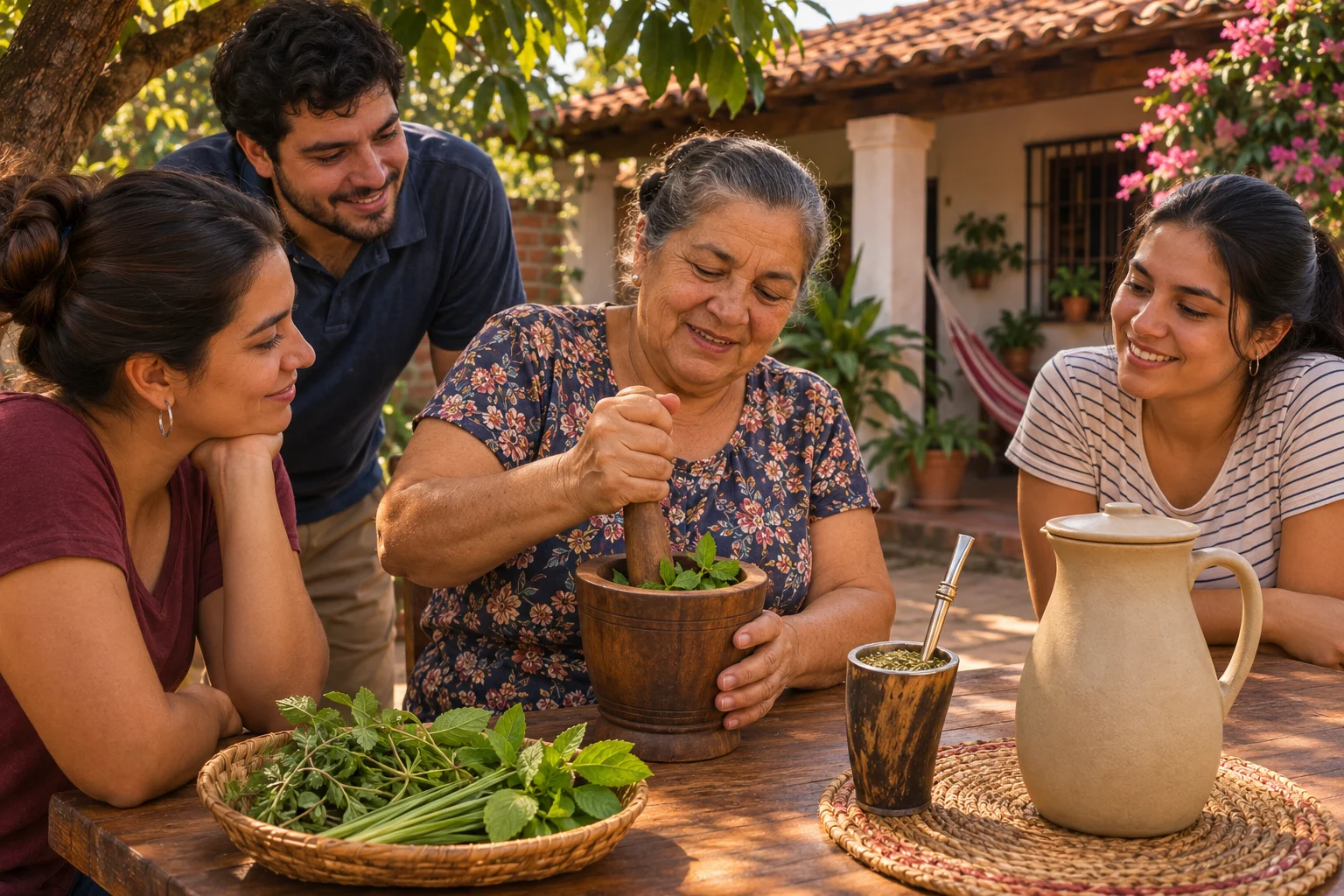
Tereré is associated with Paraguay’s Guaraní cultural heritage and with pohã ñana, knowledge of plants traditionally used in its preparation. UNESCO describes cold water mixed with herbs crushed in a mortar, then served in a guampa containing yerba mate and drunk through a filtering straw. The heritage extends beyond the ingredients. It includes learned gestures, expectations about preparing and serving, and the relationships sustained when people make time to share the drink.
The decision of December 17
Paraguay’s Secretariat of Culture records that the inscription was approved on December 17, 2020, during the fifteenth meeting of UNESCO’s intergovernmental committee for intangible cultural heritage. It joined the Representative List of the Intangible Cultural Heritage of Humanity. The national candidacy had involved public institutions and community participants. Recognition concerned practices already alive in society; it did not establish a new recipe, give one institution ownership of the drink, or designate a single physical monument.
Different invitations, different meanings
UNESCO’s contemporary account describes named forms of the practice. A tereré jere is an ordered round of sharing, while a tereré novillo can accompany the wish to begin a romantic relationship. The invitation may therefore communicate more than thirst. Such meanings depend on context and should not be turned into a rule that every offered cup is flirtation. The same drink also belongs to ordinary conversation, individual refreshment and many different everyday social circumstances.
Safeguarding living heritage
The Secretariat’s later account of National Tereré Day shows that recognition continued into fairs, demonstrations, reading activities and support for herb sellers and other tradition bearers. Safeguarding a living practice involves these people and the transmission of knowledge, not merely preserving an attractive set of utensils. Traditional claims about the benefits of particular herbs are cultural knowledge rather than clinical guarantees. The illustration depicts an imagined family teaching moment and is not documentary evidence of the inscription meeting or a prescribed serving ritual.
Pájaro Campana (Paraguay)
Tepeu
Tepeu’s 1984 recording interprets the Paraguayan tune Pájaro Campana within a wider Latin American ensemble tradition. It supplies a cultural connection, not audio from the 2020 UNESCO decision.
Listen on SoundCloud ↗Follow the evidence.
- Paraguay Secretariat of Culture: the inscription date ↗
- UNESCO: tereré heritage, preparation and social meanings ↗
- Attached recording on SoundCloud ↗
AI-assisted writing, with institutional and primary sources. Illustration is a reconstruction, not an archival photograph. Published November 6, 2026; updated November 6, 2026. Our approach