Royal Assent to the Te Awa Tupua Whanganui River Settlement Act
On 20 March 2017, New Zealand’s Whanganui River settlement legislation received Royal Assent. It recognised Te Awa Tupua as a legal person and translated an ancestral relationship with the river into a new legal framework.

A relationship seeking recognition
Whanganui iwi had pursued recognition of their relationship with the river over generations. The river sustained food gathering, travel and community life, as well as spiritual connections. Crown works to develop navigation and extract riverbed material damaged fisheries and cultural places. Petitions, court proceedings and negotiations followed. The settlement therefore concerned more than environmental management: it addressed a long history of authority, responsibility and redress. The district council’s account sets out that background.
The legislation and its date
A settlement deed was signed in 2014. Parliament’s third reading of the implementing bill took place in March 2017, with Whanganui iwi present in the gallery. Royal Assent followed on 20 March, completing the bill’s passage into law. This is the milestone commemorated here. The legislation recognised Te Awa Tupua as a living whole extending from the mountains to the sea, including the river’s physical and metaphysical dimensions.
Personhood needs a human voice
Legal personhood provides rights, powers, duties and liabilities; it does not turn a river into a human being. New Zealand law already recognises nonhuman legal persons, including companies. The river’s framework created Te Pou Tupua to act as its face and voice. As Te Pou Tupua explains, that office acts for Te Awa Tupua itself, rather than simply representing either the Crown or iwi in a conventional contest between owners.
A different starting point
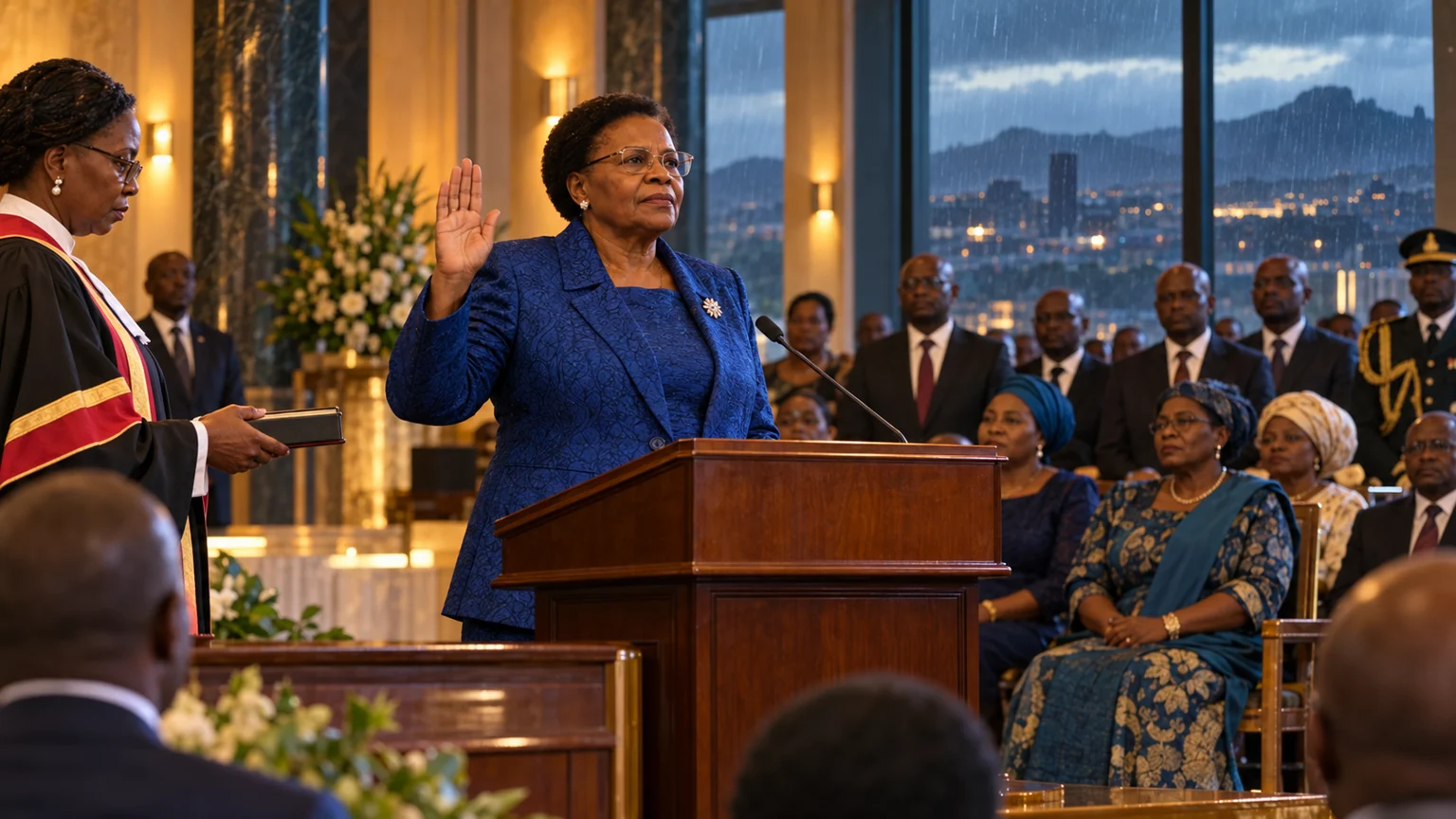
The change placed the health of the river and its connected communities at the centre of a shared framework. It also recognised that a river cannot be understood solely as separate parcels of water, bed and adjoining property. Te Pou Tupua’s explanation connects this approach to values practised by Whanganui hapū and iwi over centuries. The accompanying landscape is an interpretive illustration, not a photograph of the assent or a documented ceremony.
Pokarekare Ana
Jovanni-Rey de Pedro; arrangement by Christopher Norton
This piano performance of a New Zealand melody was recorded at a Canberra recital in July 2015. It provides cultural context, rather than a recording of the 2017 legislative occasion.
Listen on SoundCloud ↗Follow the evidence.
- Whanganui District Council: Te Awa Tupua settlement ↗
- Te Pou Tupua: Legal recognition of Te Awa Tupua ↗
- Te Pou Tupua: Frequently asked questions ↗
- Pokarekare Ana: recording details ↗
AI-assisted writing, with institutional and primary sources. Illustration is a reconstruction, not an archival photograph. Published October 31, 2026; updated October 31, 2026. Our approach