The 1928 Premiere of Ravel’s Boléro
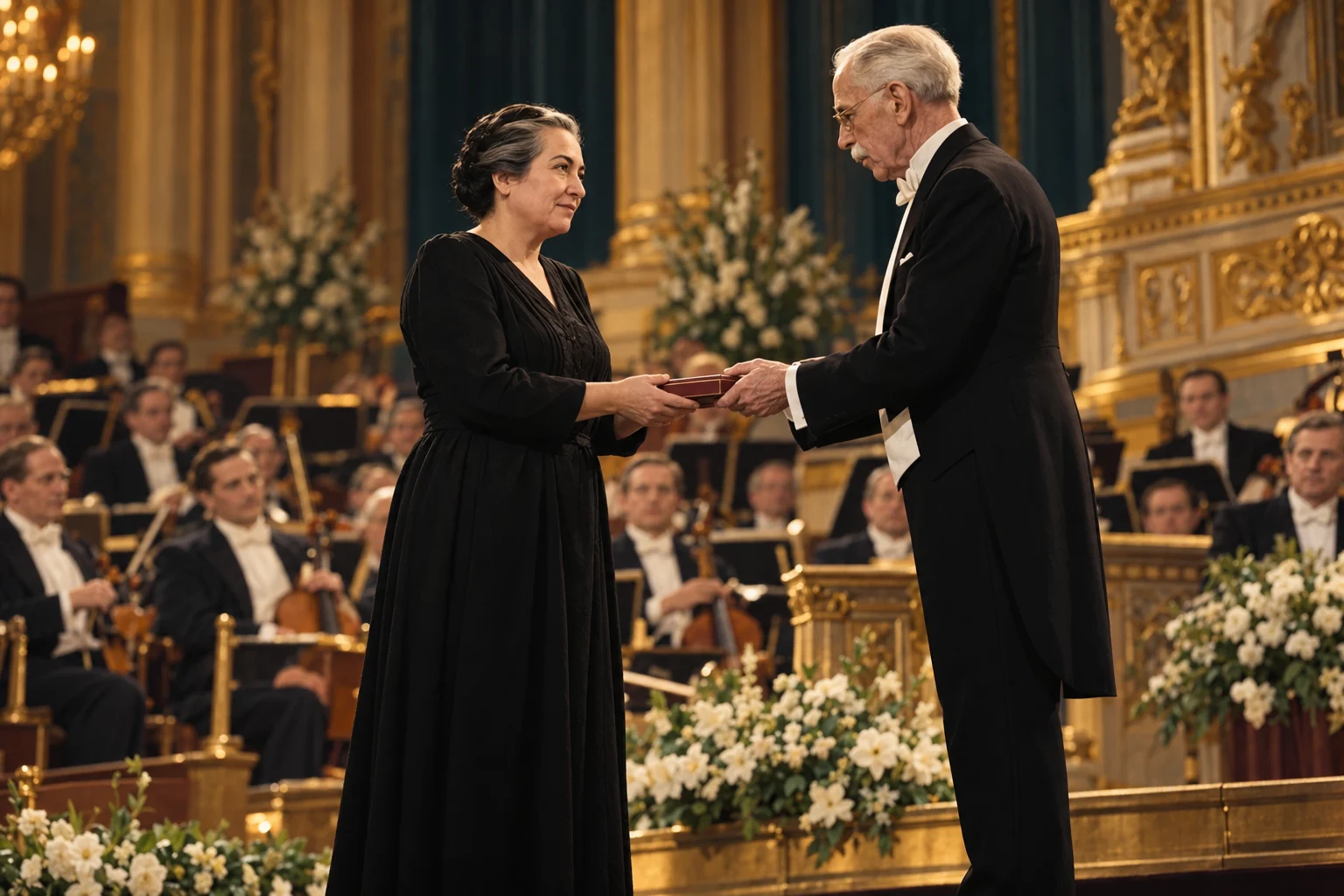
Ravel’s Boléro premiered as a ballet at the Paris Opéra on November 22, 1928. Its repeating rhythm and melodies become an experiment in orchestral color, accumulating force through a long crescendo rather than conventional thematic development.
A ballet commission takes another path
Ida Rubinstein commissioned the music that became Boléro. Ravel initially considered orchestrating pieces from Isaac Albéniz’s Iberia, but the rights were already held elsewhere. He turned instead to a new composition built around repetition. The resulting ballet premiered at the Paris Opéra on November 22, 1928. Its later fame as an orchestral concert piece can obscure the theatrical commission that first brought this unusually concentrated musical idea before the public.
Repetition as a structure
A persistent rhythmic pattern underlies recurring melodic material. Instead of continually introducing new themes, Ravel passes the music among different instruments and combinations. The listener can recognize the material while hearing its character change. The score’s consistency is therefore an active compositional choice. Repetition makes orchestration unusually exposed: the entrance of a new color or the thickening of a familiar phrase becomes a principal event, rather than merely supporting a developing melody.
What the ear can follow
The work begins quietly and builds toward a powerful climax. This long increase in loudness is a crescendo, distinct from an accelerando, which would mean getting faster. Individual performances vary in pace and balance, but the governing rhythmic pattern persists. In the attached full performance, comparing the opening with a late passage makes the increasing weight of the orchestra readily apparent. The accumulating sound supplies momentum even while so much of the musical material stays recognizable.
Theatre, concert and later recordings
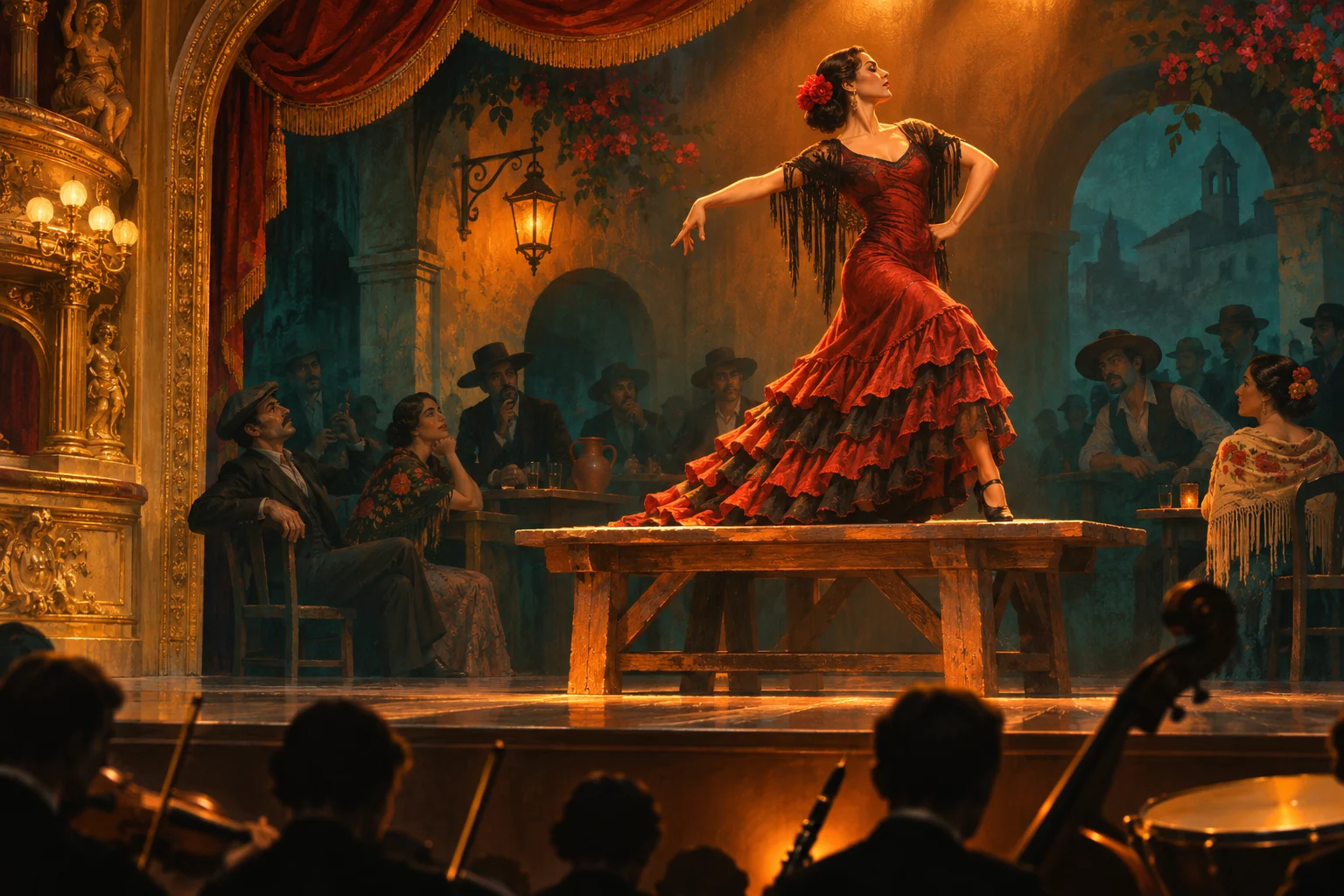
The original production placed Rubinstein in a Spanish tavern setting, dancing on a table. The Los Angeles Philharmonic’s account notes Ravel’s dissatisfaction with that picturesque treatment and his interest in industrial associations for the relentless rhythm. This does not make the work a literal factory soundtrack. Its theatrical history and later concert life offer different ways to hear the same score. The illustration evokes the original stage concept; the attached recording is a modern orchestral performance, not sound preserved from the 1928 premiere.
Ravel - Bolero
wcfsymphony; Jason Weinberger, conductor
A complete later performance of the ballet score by wcfsymphony, uploaded by its conductor. It is not a recording of the 1928 premiere.
Listen on SoundCloud ↗Follow the evidence.
- Tucson Symphony: premiere and musical construction of Boléro ↗
- Los Angeles Philharmonic: Boléro’s ballet origins and orchestration ↗
- Attached recording on SoundCloud ↗
AI-assisted writing, with institutional and primary sources. Illustration is a reconstruction, not an archival photograph. Published November 6, 2026; updated November 6, 2026. Our approach